
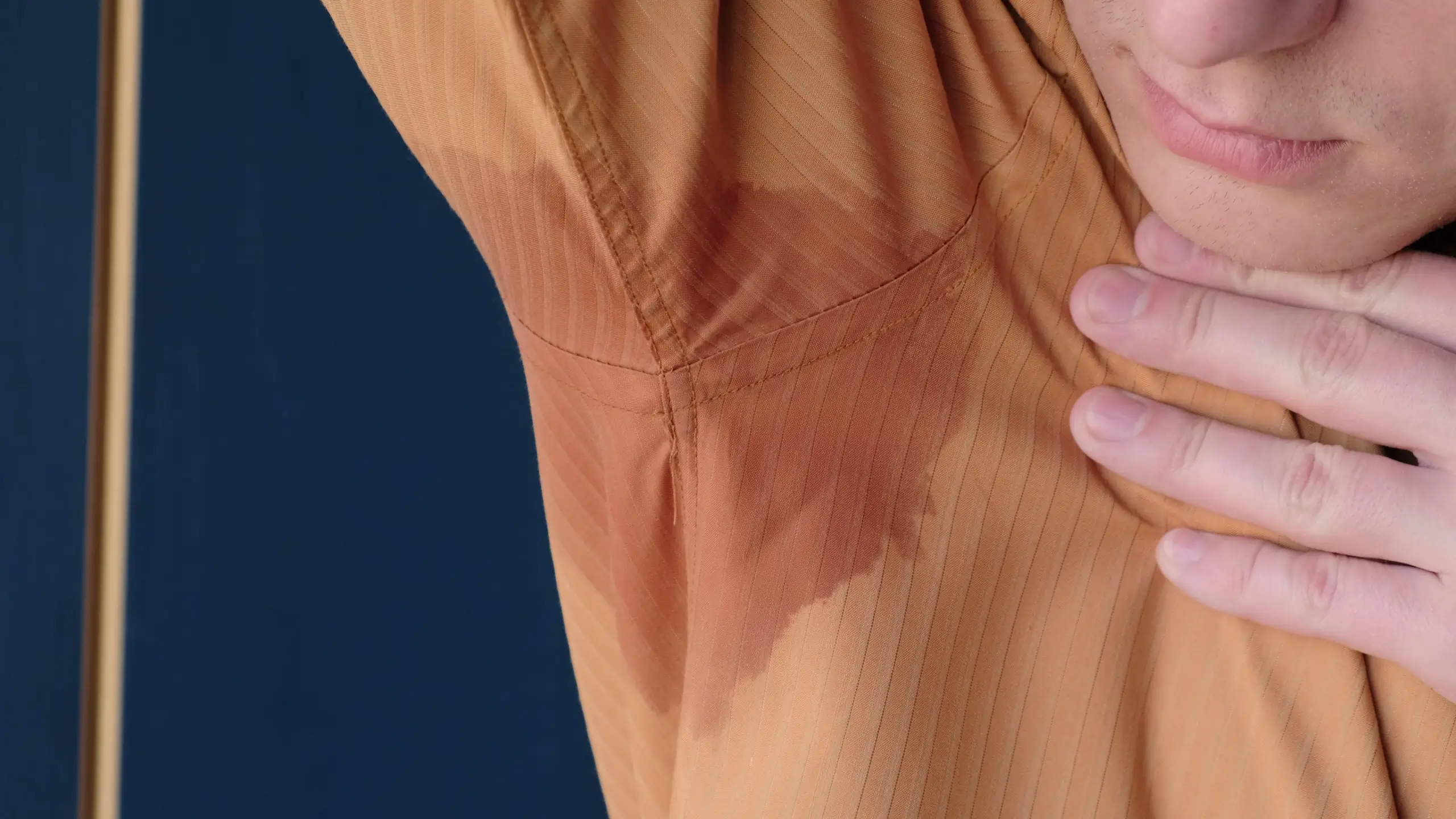
HOUSTON – If it feels like you’re sweating the moment you walk outside in Houston, you’re not imagining it.
A new study by Waterboy ranks Houston as the No. 9 “sweatiest” city in America, highlighting just how demanding the region’s heat and humidity can be on the body.
Recommended Videos
The study analyzed 30 years of NOAA climate data across 80 major U.S. cities and created a “Hydration Demand Score” based on factors including heat index, humidity, overnight temperatures, dew point and the number of heat caution days each year.
Why Houston ranked so high
Houston’s combination of intense humidity, high temperatures and warm overnight lows helped push the city into the top 10 nationally.
Researchers say cities with high overnight temperatures can make it harder for the body to recover from daytime heat because conditions never truly cool down. The study found 32 cities across the country regularly stay above 75 degrees overnight during peak summer months.
That’s a familiar reality for many Houstonians, especially during long stretches of summer where early morning walks can already feel oppressive.
Florida dominates the rankings
While Houston landed at No. 9, Florida cities dominated the list.
The top five sweatiest cities in America are:
- West Palm Beach, Florida
- Miami, Florida
- Fort Myers, Florida
- Honolulu, Hawaii
- Melbourne, Florida
Seven Florida cities placed in the top 10 overall.
According to the study, West Palm Beach spends more than half the year, about 4,737 hours annually, in “heat caution” territory with a heat index at or above 80 degrees.
The South leads the nation in hydration demand
The report found the South has the highest overall hydration demand score of any region in the country at 27.7.
That was significantly higher than:
- Midwest: 13.9
- West: 13.5
- Northeast: 11.7
Researchers say the findings show hydration is not just a summertime issue in southern cities where heat and humidity can linger for much of the year.
Dry heat vs. Houston humidity
Interestingly, Phoenix ranked only 12th overall despite recording the highest estimated fluid loss during moderate exercise at 32.5 ounces per hour.
Researchers say dry heat can quietly increase dehydration risk because sweat evaporates quickly, while humid cities like Houston make people feel hotter and sweatier because moisture stays trapped on the skin.
The study estimates a moderate workout in Phoenix requires roughly six times more fluid replacement than the same workout in San Francisco.
Hydration matters beyond workouts
The report says hydration demand affects more than just athletes or outdoor workers. Everyday activities like commuting, walking pets, attending festivals, youth sports and even running errands can increase dehydration risk in high-humidity cities.
Experts generally recommend increasing water intake during periods of extreme heat, limiting prolonged outdoor activity during peak afternoon hours and paying attention to signs of dehydration such as dizziness, fatigue and headaches.
The full study, including rankings for all 80 cities and an interactive hydration tool, can be found on Waterboy’s website.
