
This is your hurricane forecast, but more importantly, it’s what you need to watch for this hurricane season and how it could impact you and your family.
An average Atlantic hurricane season produces 14 named storms, seven hurricanes, and three major hurricanes. This year, most of the major forecast groups are calling for a season that’s near or slightly below average.
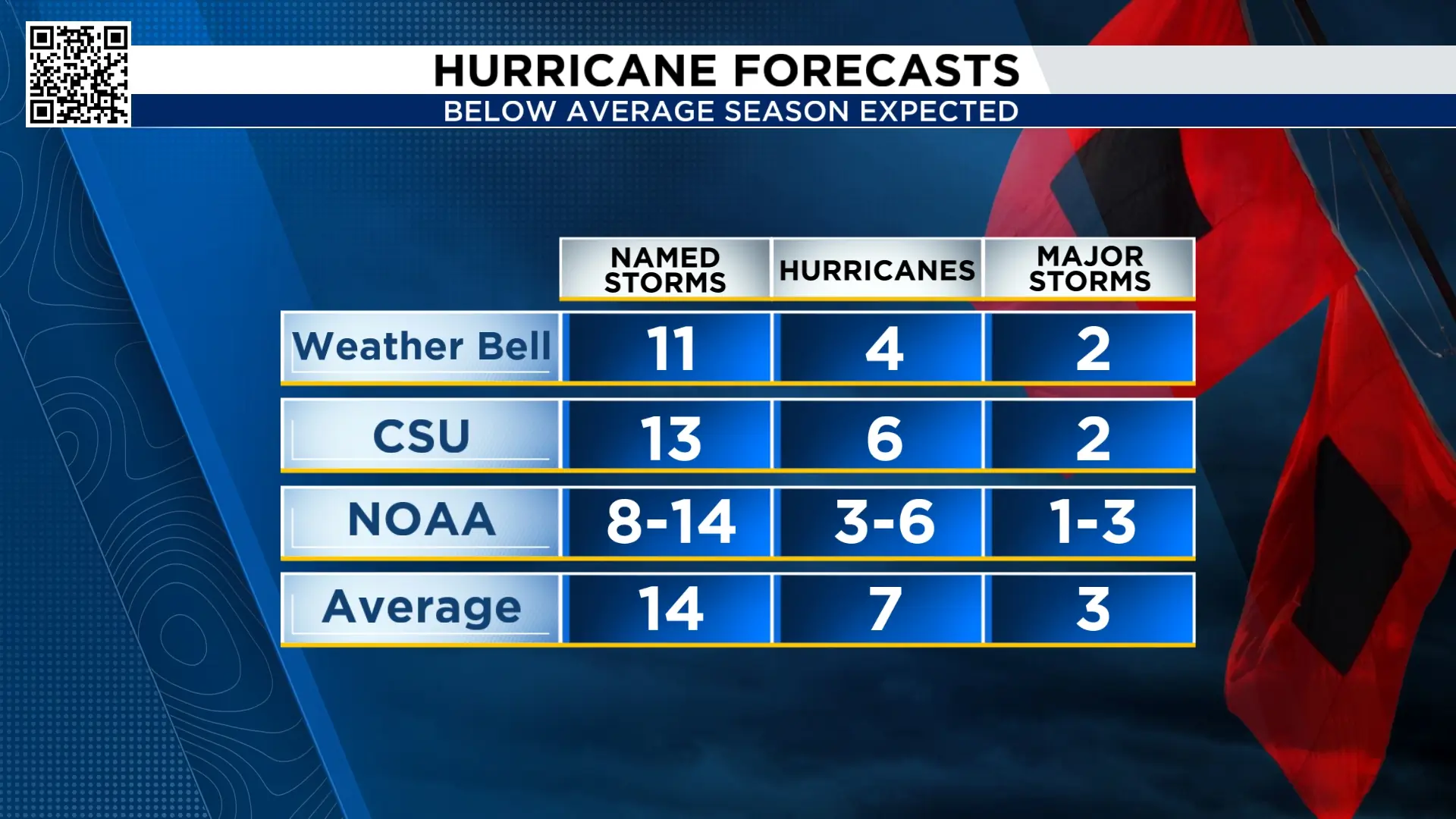
Colorado State University, which has issued hurricane forecasts for the past 42 years and is considered one of the most accurate groups, is forecasting 13 named storms, six hurricanes, and two major hurricanes. NOAA, the National Hurricane Center, is also forecasting a season that’s close to average or slightly below average. WeatherBell, one of the forecast companies we work with, is predicting an even quieter season with 11 named storms, four hurricanes, and two major hurricanes.
But those aren’t the only forecasts out there.
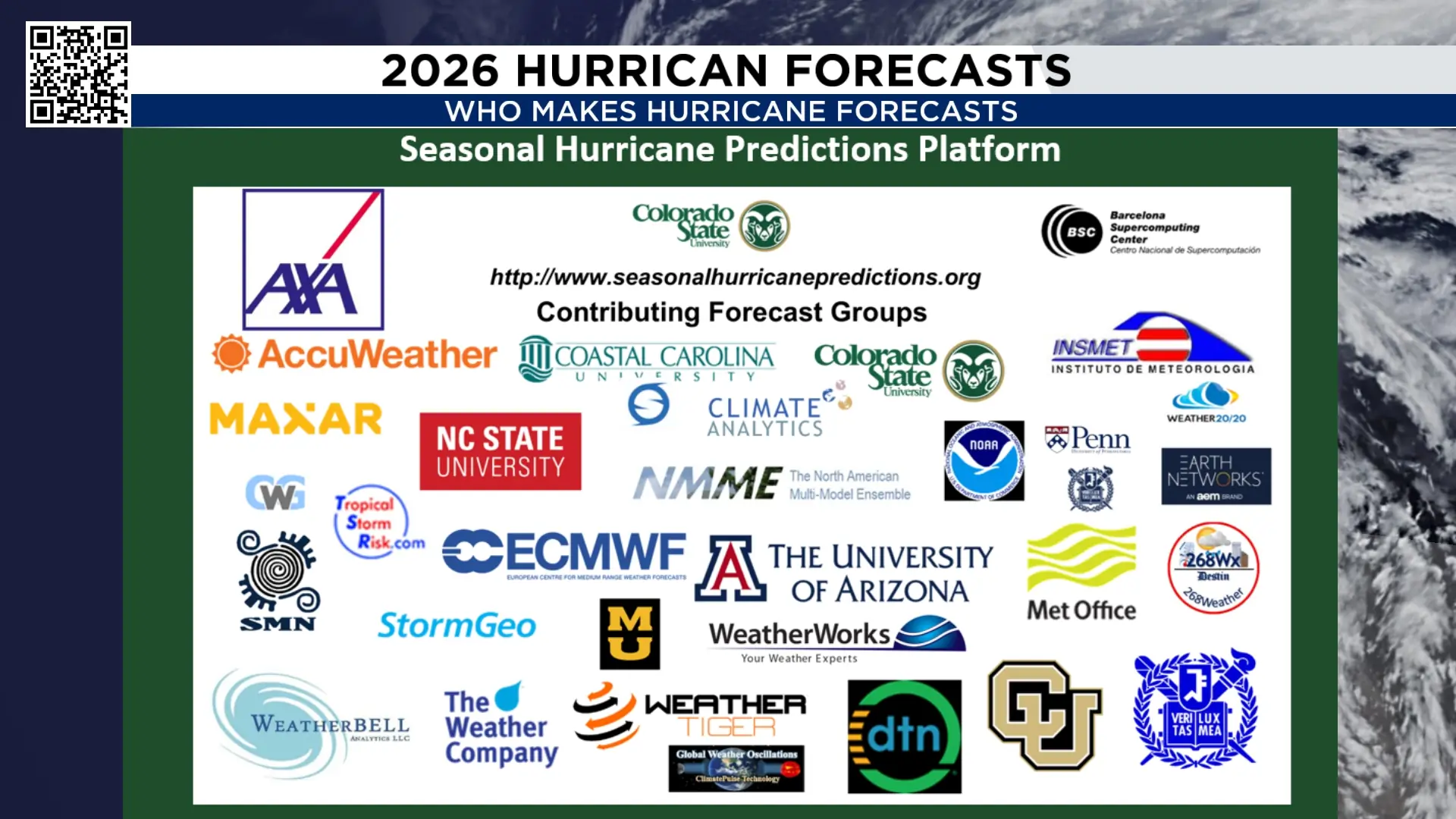
More than 30 organizations, including universities, government agencies, and private weather companies, issue seasonal hurricane outlooks. When you compare them side by side, most are pointing toward fewer storms than average this year. There are a couple of exceptions, including 268Wx and the University of Arizona.
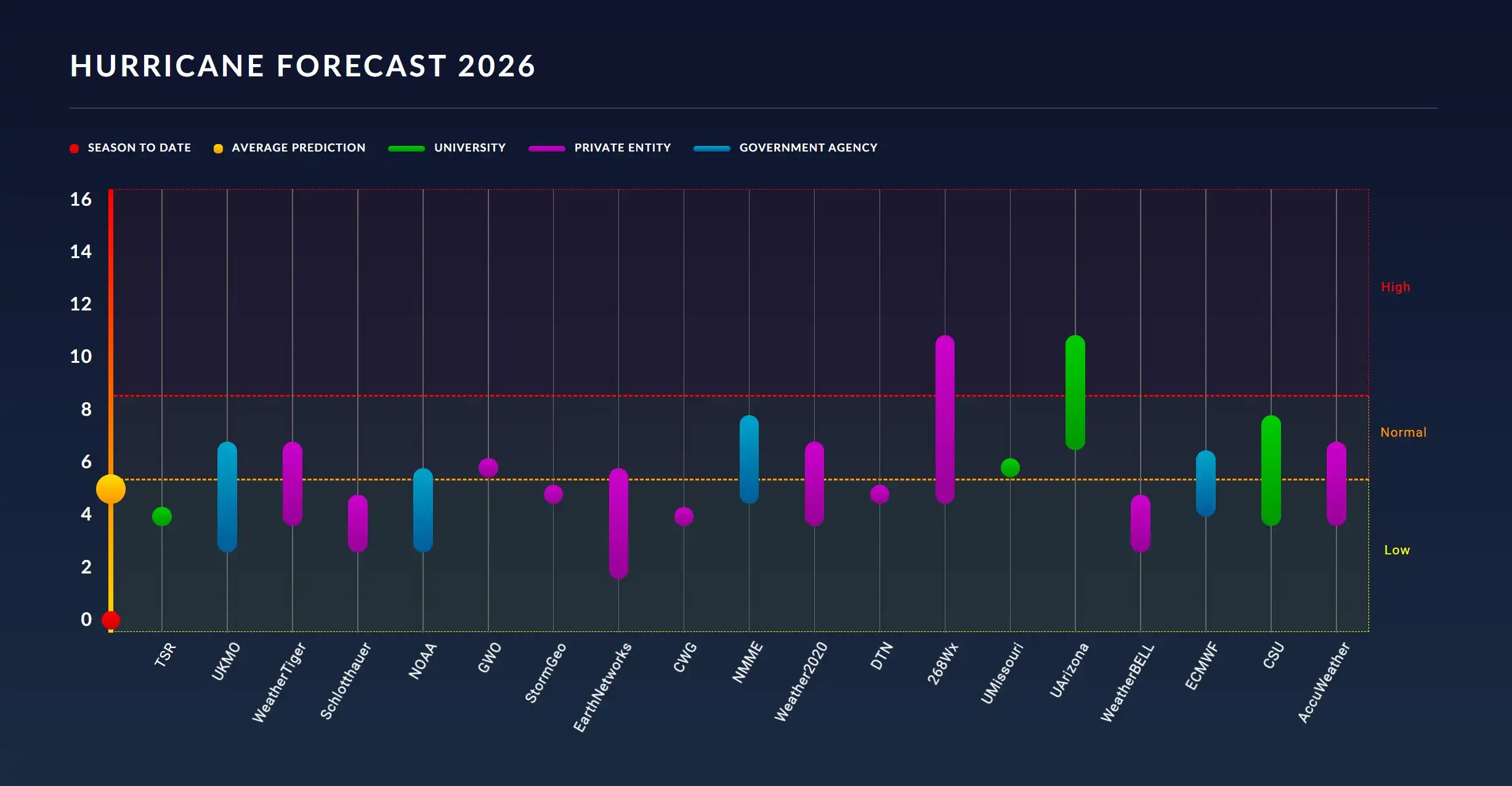
The University of Arizona uses machine learning and artificial intelligence in its hurricane outlook. Their forecast is more active because of the warm waters in the Atlantic, Caribbean, and Gulf could overpower some of the suppressing effects of El Niño.
And that’s the key battle this season: El Niño versus the Gulf.
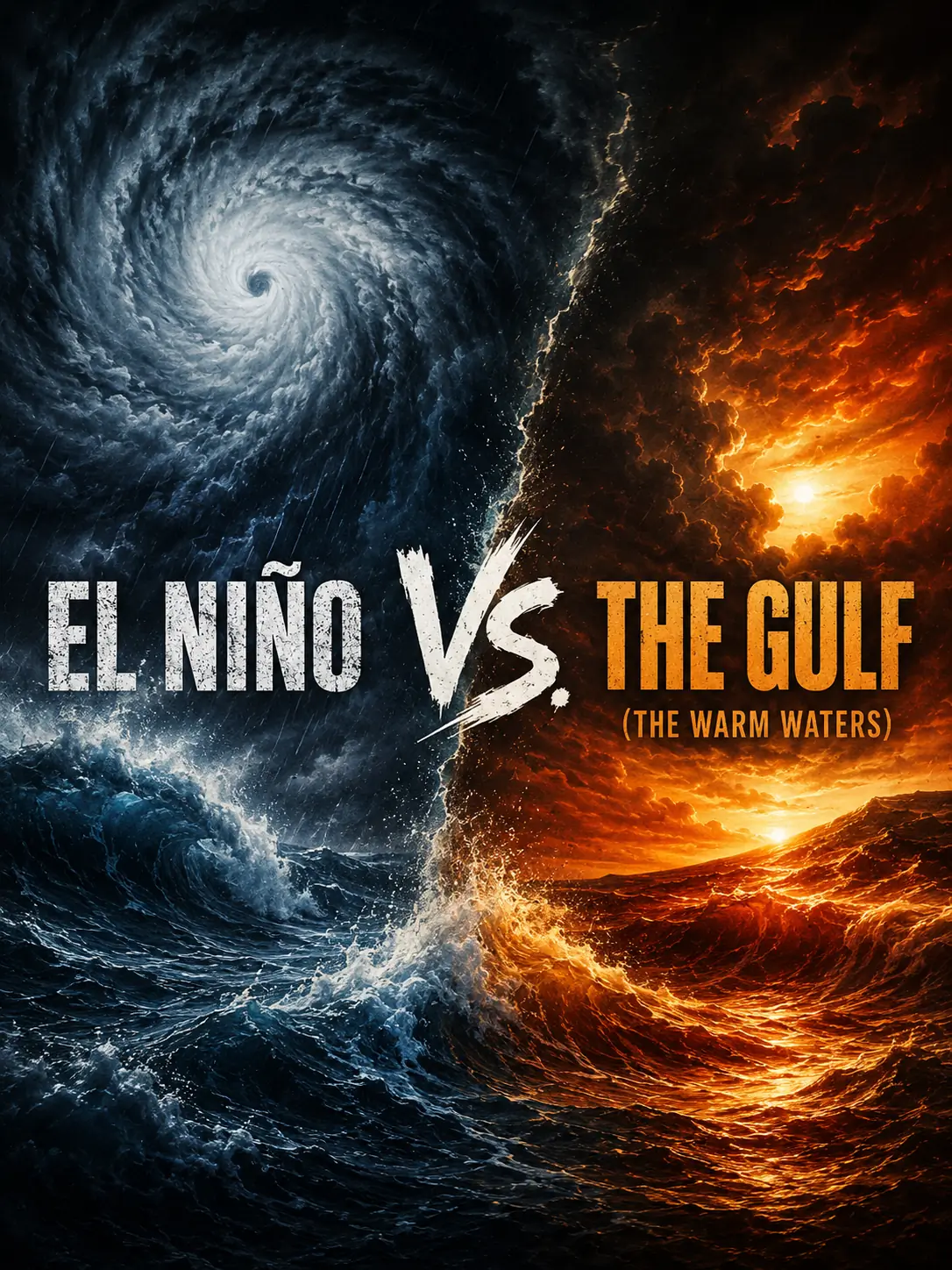
You’ve probably heard we’re expecting a strong El Niño pattern this year. In simple terms, El Niño changes global weather patterns by warming the equatorial Pacific Ocean. One of the biggest impacts of hurricane season is increased wind shear across the Atlantic Basin. Wind shear rips apart storms and usually limits hurricane development in the Atlantic and Caribbean.
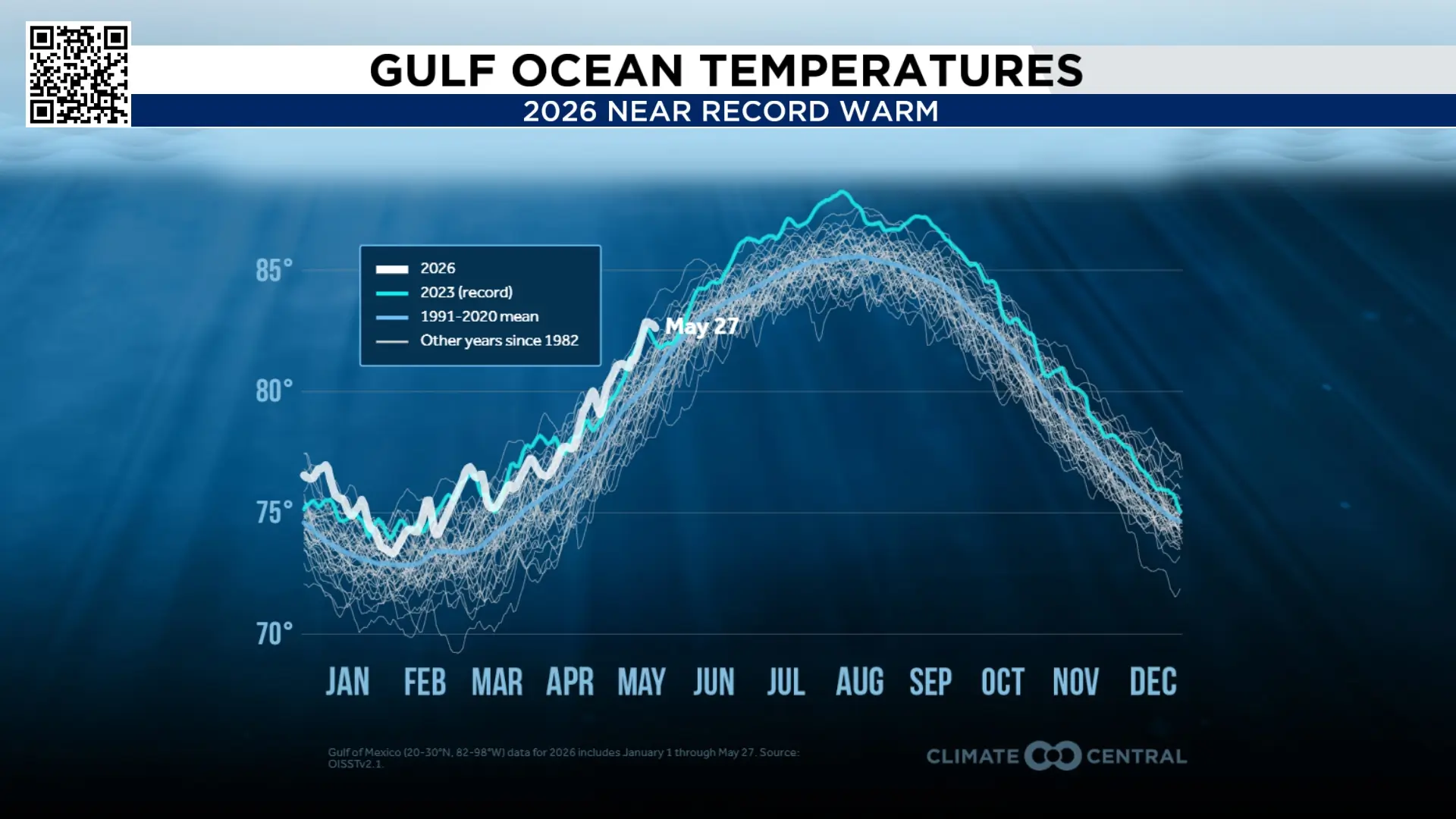
At the same time, though, Gulf waters are exceptionally warm.
Right now, Gulf temperatures are already running in the lower to middle 80s, and current data ranks this among the top three warmest Gulf water temperature years ever recorded. That’s plenty warm enough to fuel tropical systems.
While the overall number of storms may be lower, my concern is where storms form.
History shows that even during strong El Niño years, it only takes one storm close to home to make it a dangerous season.
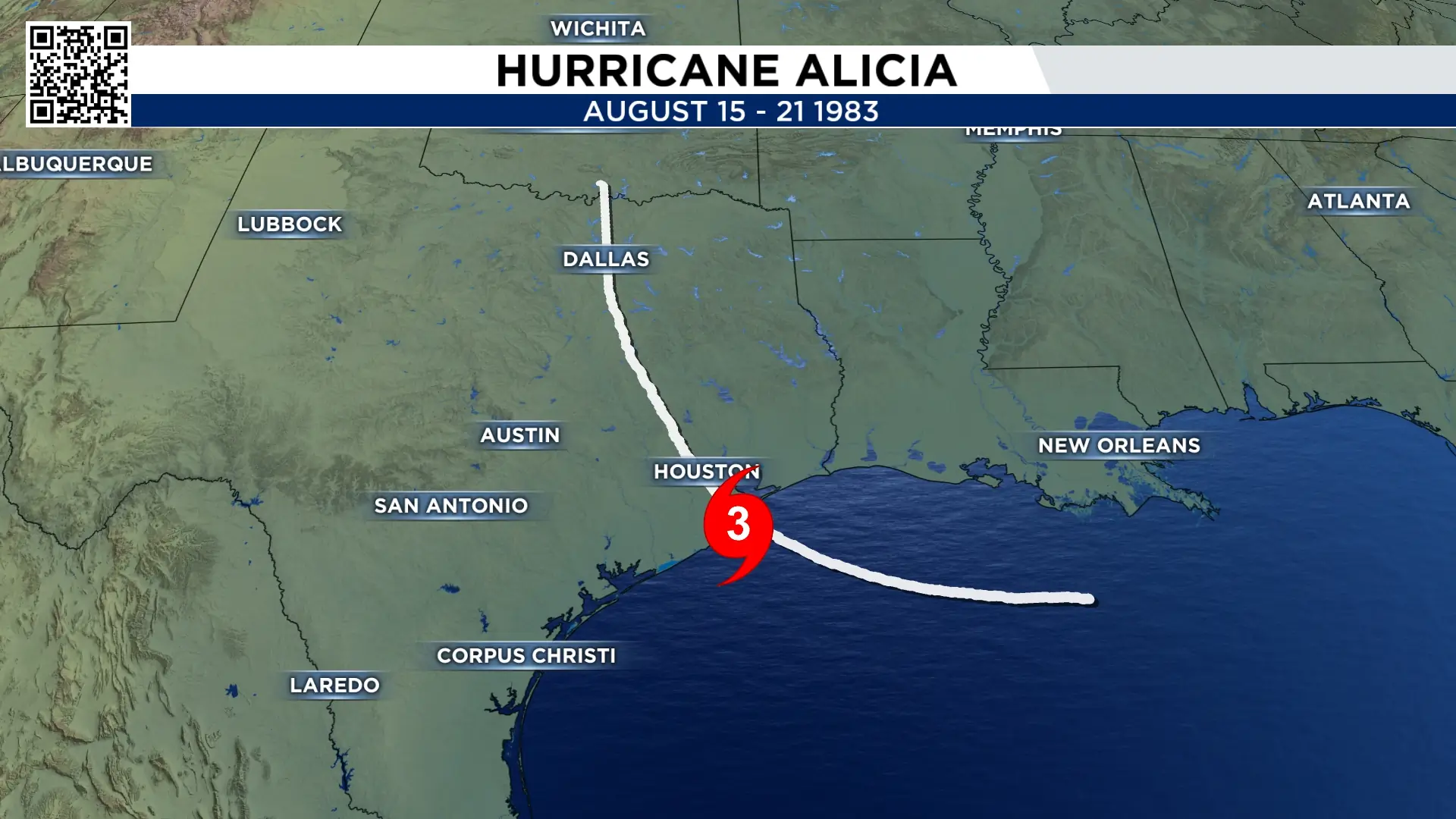
In 1983, another strong El Niño year, Hurricane Alicia rapidly developed near the Louisiana coast and strengthened into a Category 3 hurricane before making landfall near Galveston and Houston. It went from a cluster of thunderstorms to a major hurricane in 36 hours!
That’s the type of setup we have to watch carefully this year.
When storms form close to the Gulf Coast, they can sometimes avoid the stronger wind shear that’s farther out in the Atlantic. That means they can organize quickly and rapidly intensify with very little warning time.
Unlike storms that spend days crossing the Atlantic or Caribbean, these systems may develop close to land, giving people far less time to prepare.
That’s why the most important message this hurricane season is simple:
Be prepared now... not later.
If a storm develops near the coast, you may only have 24 to 48 hours to make important decisions for your family. The goal is to avoid scrambling at the last minute because supplies aren’t ready, plans haven’t been made, or evacuation decisions haven’t been discussed.
Preparation today brings peace of mind tomorrow.
That’s what the KPRC 2 Weather Team tries and do for you, to help you stay informed, stay prepared, and most importantly, keep you and your family safe this hurricane season.

More Stories Like This In Our Email Newsletter
