
HOUSTON – As summer settles into Southeast Texas and hurricane season gets underway, many Houstonians are reaching for tissues, allergy medicine and eye drops.
While allergies can strike anywhere across the region, experts say some parts of the Houston area may be more challenging than others thanks to a combination of trees, grass pollen, humidity, flooding and mold.
Houston Methodist reports that Houston’s subtropical climate allows plants to grow for much of the year, creating extended pollen seasons and making mold and dust mites a year-round concern for many residents. The situation can worsen during hurricane season when heavy rains and flooding create ideal conditions for mold growth.
North Houston: A pollen powerhouse
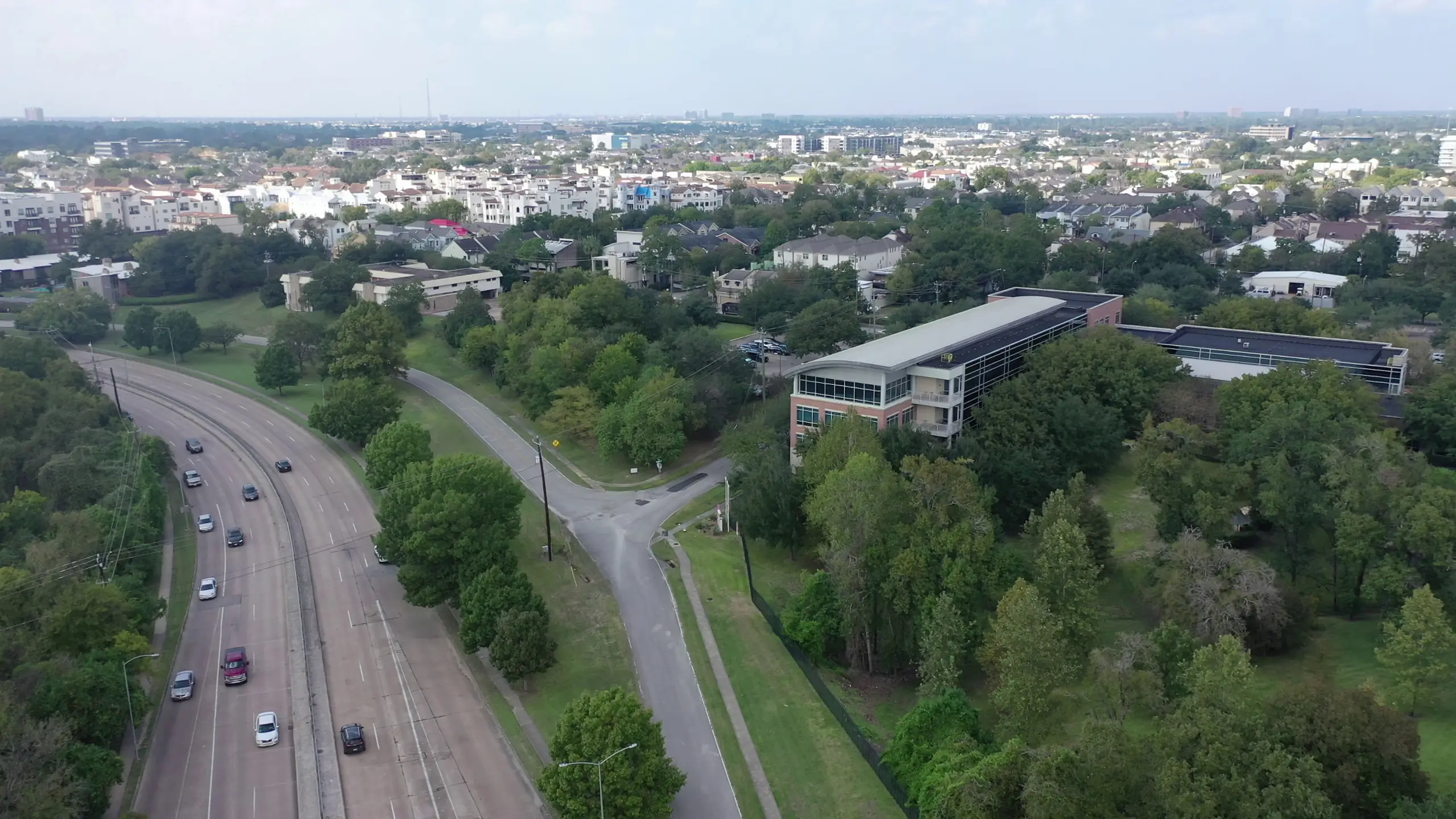
Communities such as Spring, The Woodlands and Kingwood are known for their dense tree canopies and wooded landscapes.
While those towering pines and oaks create beautiful scenery, they can also contribute to higher pollen exposure. Tree pollen remains a major allergy trigger in the Houston area, especially from oak, ash, elm and pecan trees. During the summer months, grass pollen also becomes a significant irritant.
Memorial and West Houston
The Memorial area combines mature trees, extensive green spaces and high humidity, creating another environment where allergy sufferers may struggle.
The abundance of vegetation means pollen can linger, while Houston’s humidity encourages mold growth and dust mites, two allergens that remain active throughout the year.
Meyerland and bayou communities
Neighborhoods located near bayous and flood-prone areas, including Meyerland and Braeburn, face a different allergy challenge.
While rain can temporarily knock pollen out of the air, repeated flooding and standing water can lead to increased mold growth. Mold spores are a common trigger for allergy symptoms and can become especially problematic after major storms or prolonged periods of wet weather.
What’s floating around Houston this summer?
According to pollen tracking data, grass pollen remains one of the primary summer allergens in Houston. Common grasses release large amounts of pollen during warmer months, while mold spores thrive in the city’s heat and humidity.
Houston Methodist says residents can also expect continued exposure to dust mites and mold throughout the year due to the region’s muggy climate.
Why allergies may feel worse this year
Scientists have found that warmer temperatures can lengthen growing seasons and increase pollen production, extending allergy seasons and intensifying symptoms for some sufferers. Houston’s warming climate may be contributing to longer periods of exposure.
How to fight back
Experts recommend monitoring daily pollen forecasts, keeping windows closed on high-pollen days, showering after spending time outdoors and using air conditioning with clean filters. Those with persistent symptoms may benefit from consulting an allergy specialist to identify specific triggers and treatment options.
For many Houstonians, summer means backyard barbecues, pool days and hurricane preparations. Unfortunately, it also means allergy season isn’t taking a break anytime soon.
