
You’ll want to mark your calendar — the Lyrid meteor shower peaks on April 21st and 22nd, and it’s worth setting your alarm for.
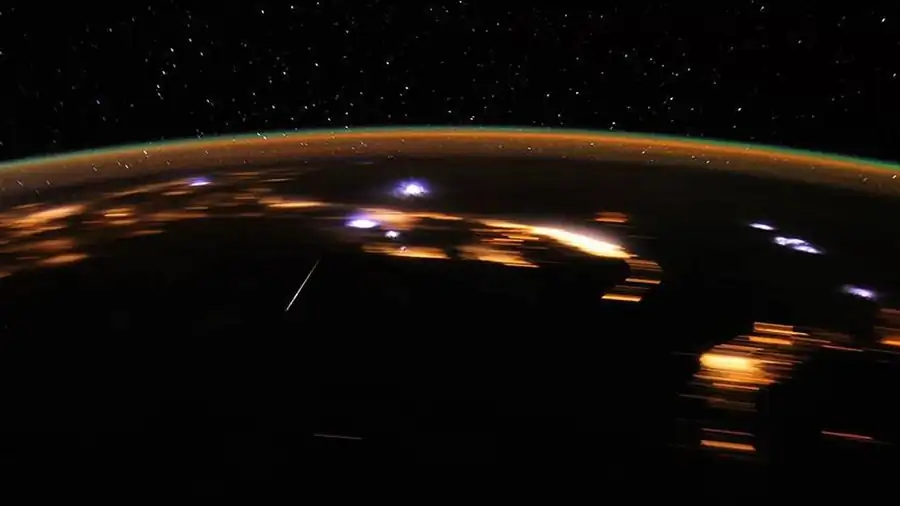
Every year, Earth passes through a trail of debris left behind by the Thatcher comet. Those tiny particles hit our atmosphere and burn up — and that’s exactly what you’re seeing when a “shooting star” streaks across the sky. Pretty cool, right?
Your best bet for catching the show is before dawn (think 4 AM, so yes, set the alarm clock). When it peaks, you could see up to 20 meteors per hour, some blazing brighter than others.
The best part you don’t need any fancy binoculars or telescope, your eyes will do the trick!
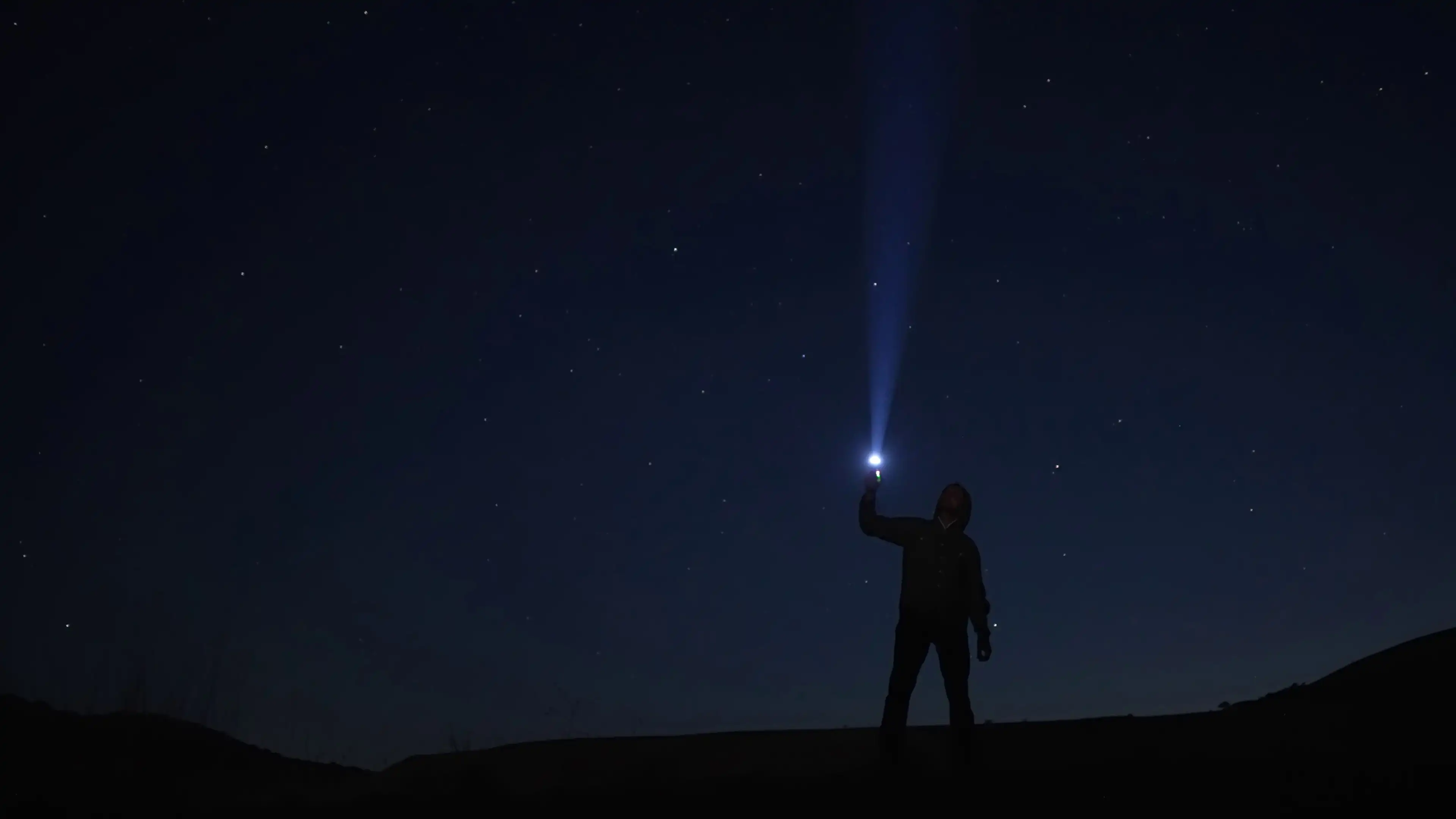
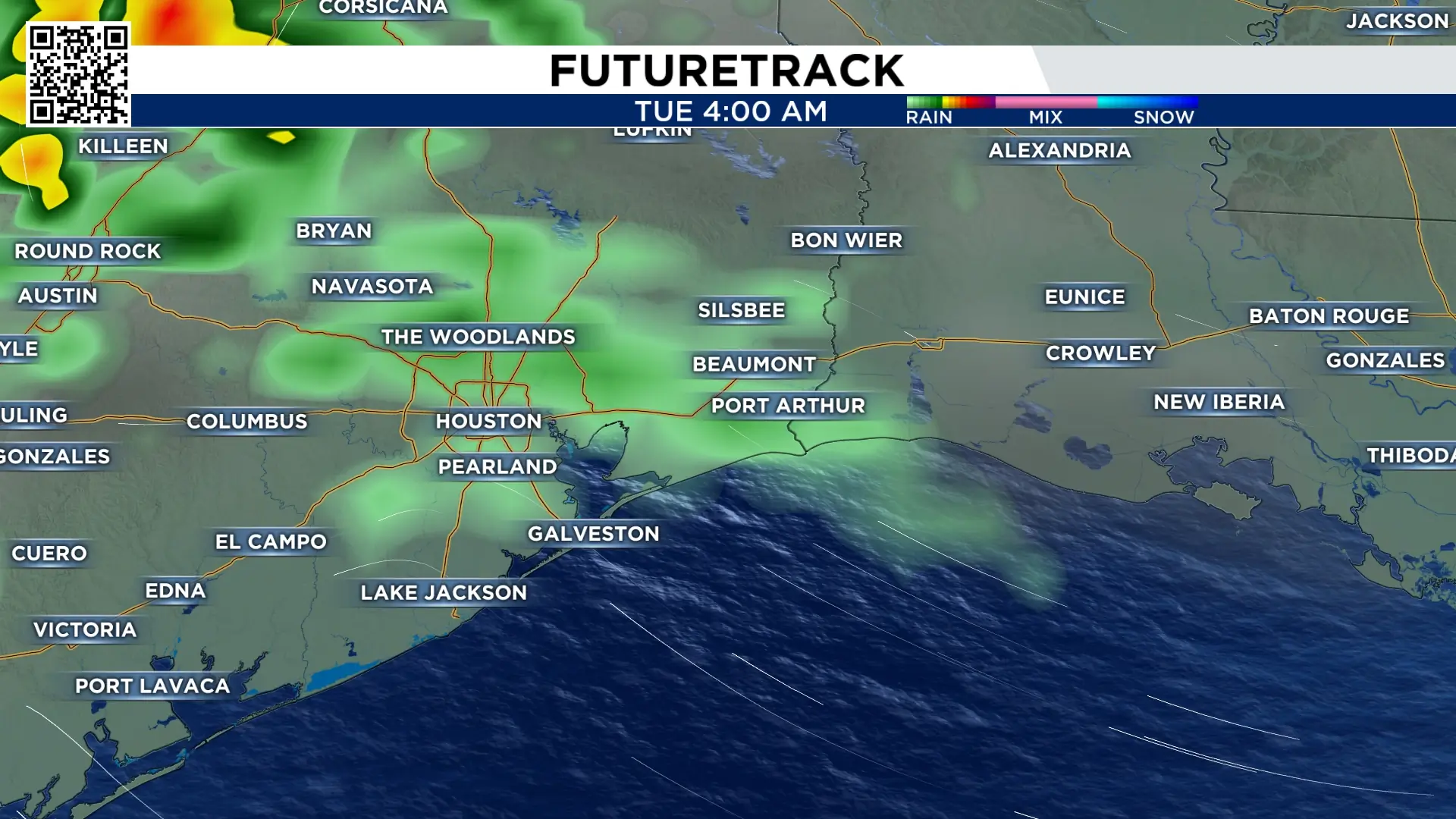
Now, a couple of things will make or break the experience: the moon and the weather. Good news on the moon front — its illumination will be low during the peak, which means less light washing out the show. The weather, though? That’s less certain. It’s all going to come down to whether clouds and showers clear out before and after sunrise. Models suggest there will be linger showers across SE Texas.
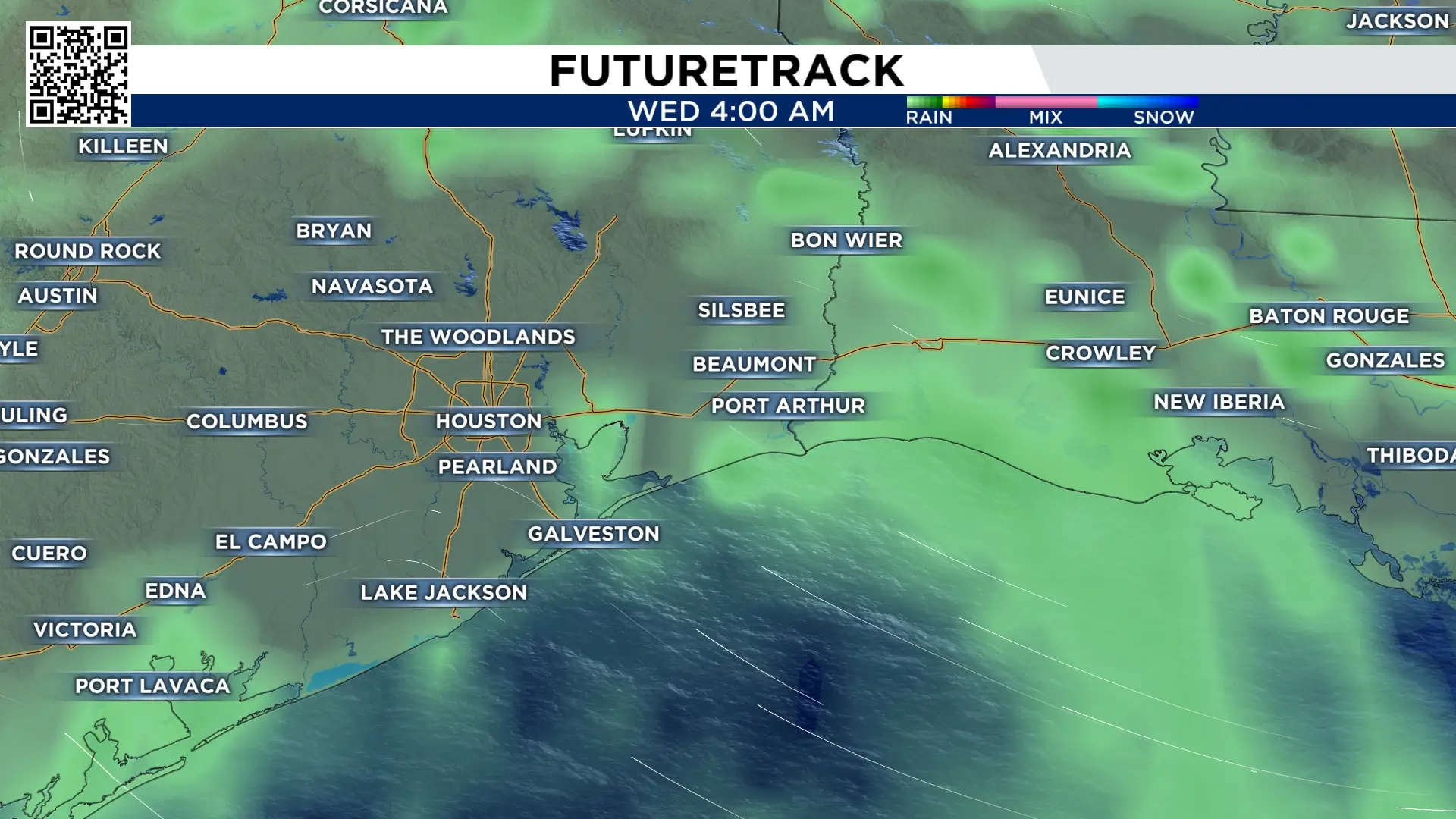
But don’t be discouraged, although viewing on peak dates might be obstructed, the Lyrid Meteor shower starts April 15th and ends April 29th. So you might happen to catch a shooting star during this period.
So grab your lawn chair, find a dark spot, and hope the skies cooperate.
