
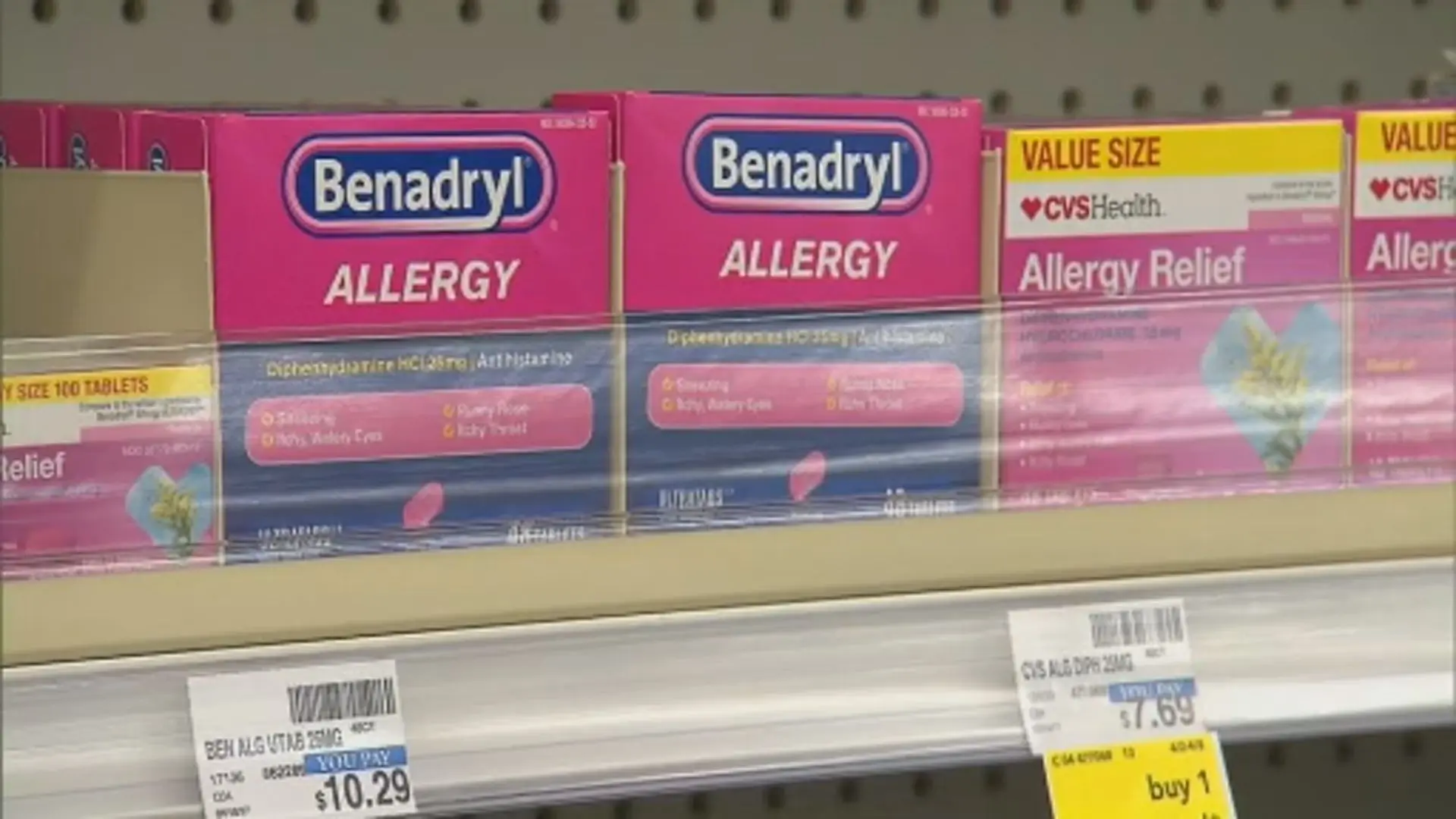
Doctors are urging parents to keep a close eye on medications in their homes after three children in Connecticut recently died following exposure to the active ingredient found in Benadryl.
Medical experts believe the incidents may be connected to the resurfacing of the so-called “Benadryl Challenge,” a dangerous social media trend that encourages participants to take excessive amounts of the allergy medication in an attempt to experience hallucinations or get high.
Recommended Videos
The challenge gained attention several years ago and involves taking doses far beyond the recommended amount. Health experts warn that doing so can have serious and potentially deadly consequences.
“You can get a lot of things, seizures, and cardiovascular effects; those sorts of things can cause death in patients overdosing on Benadryl,” said Dr. Gary Soffer, a pediatric allergist with Yale Medicine.
Benadryl contains diphenhydramine, an antihistamine commonly used to treat allergy symptoms. While the medication is available over the counter, doctors say taking too much can lead to dangerous side effects, including heart problems, seizures, confusion and loss of consciousness.
Experts say parents should talk to their children about the risks of participating in online challenges and remind them never to take medication unless directed by a parent, guardian or healthcare provider.
Doctors also note that Benadryl is no longer the first choice for treating most everyday allergy symptoms. Instead, they recommend newer, second-generation antihistamines such as Zyrtec, Allegra and Claritin because they are less likely to cause drowsiness and other side effects.
Health professionals recommend storing all medications, including over-the-counter drugs, in a secure location that is out of reach of children.
“If you do keep Benadryl at home, store it up high and locked,” experts advise.
Parents who suspect a child has taken too much medication should seek emergency medical care immediately or contact Poison Control.

More Stories Like This In Our Email Newsletter
