
BRIDGELAND, TX – The Houston Texans are moving — sort of.
The franchise isn’t abandoning NRG Stadium on game days, but nearly everything else — headquarters, practice, community engagement — is heading to a new 83-acre development in unincorporated Harris County called the Toro District.
The project, a public-private partnership between the Texans, the Howard Hughes Holdings and Harris County, promises restaurants, shopping, hotels, healthcare facilities, parks, county offices, youth sports fields and residences, all wrapped around a shiny new team headquarters and practice facility.
“It will reshape the way we engage with fans, youth, partners, and the greater community,” said Texans owner Cal McNair at a recent press conference announcing the project.
It sounds like a patch of heaven. The question is how much that patch of heaven will cost — and who’s really paying for it.
The other big question is how disruptive the project and added traffic will be for neighbors, many of whom moved to the area for “peaceful living”.
“Just concerned about getting out of this section, in particular,” Alaina Hamzah, a Bridgeland homeowner, said.
From dirt to district — but not anytime soon
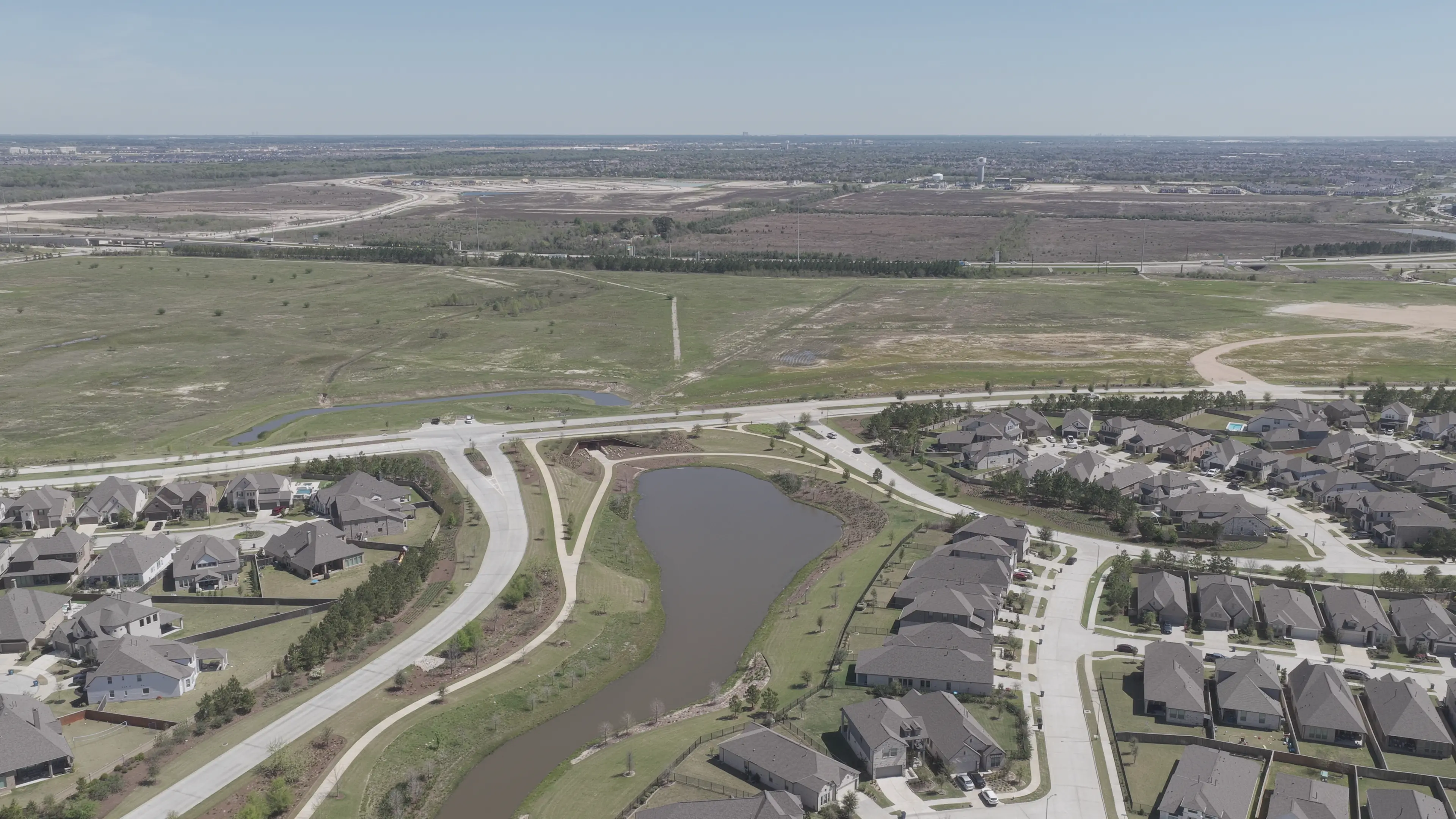
Right now, the future Texans headquarters is just that — dirt.
“We’ve been talking about wanting to build a new headquarters and training facility for years and it’s finally here,” McNair said.
Well, almost. Construction isn’t expected to be complete until at least 2029, meaning the grand vision is still years away from becoming a reality.
When it does arrive, the Toro District will be roughly a quarter of the size of the current NRG complex — though 83 acres is still large enough to fit nearly nine Astrodomes. NRG Stadium itself won’t go away; it will simply be for game days only.
The new home of the Texans sits in one of the fastest-growing corners of the country. Harris County Precinct 3 Commissioner Tom Ramsey made that point plainly.
“Those zip codes are probably the fastest-growing zip codes in America,” Ramsey said.
The public-private partnership — and your role in it
Here’s where things get a little less exciting and a lot more expensive.
The Toro District is structured as a public-private partnership, which means Harris County taxpayers are partners in the deal — whether they signed up for it or not.
According to the initial Memorandum of Understanding between the Houston Texans, Howard Hughes Holdings and Harris County, the county will contribute $150 million in borrowed funds — just for parking spots, most likely parking garages.
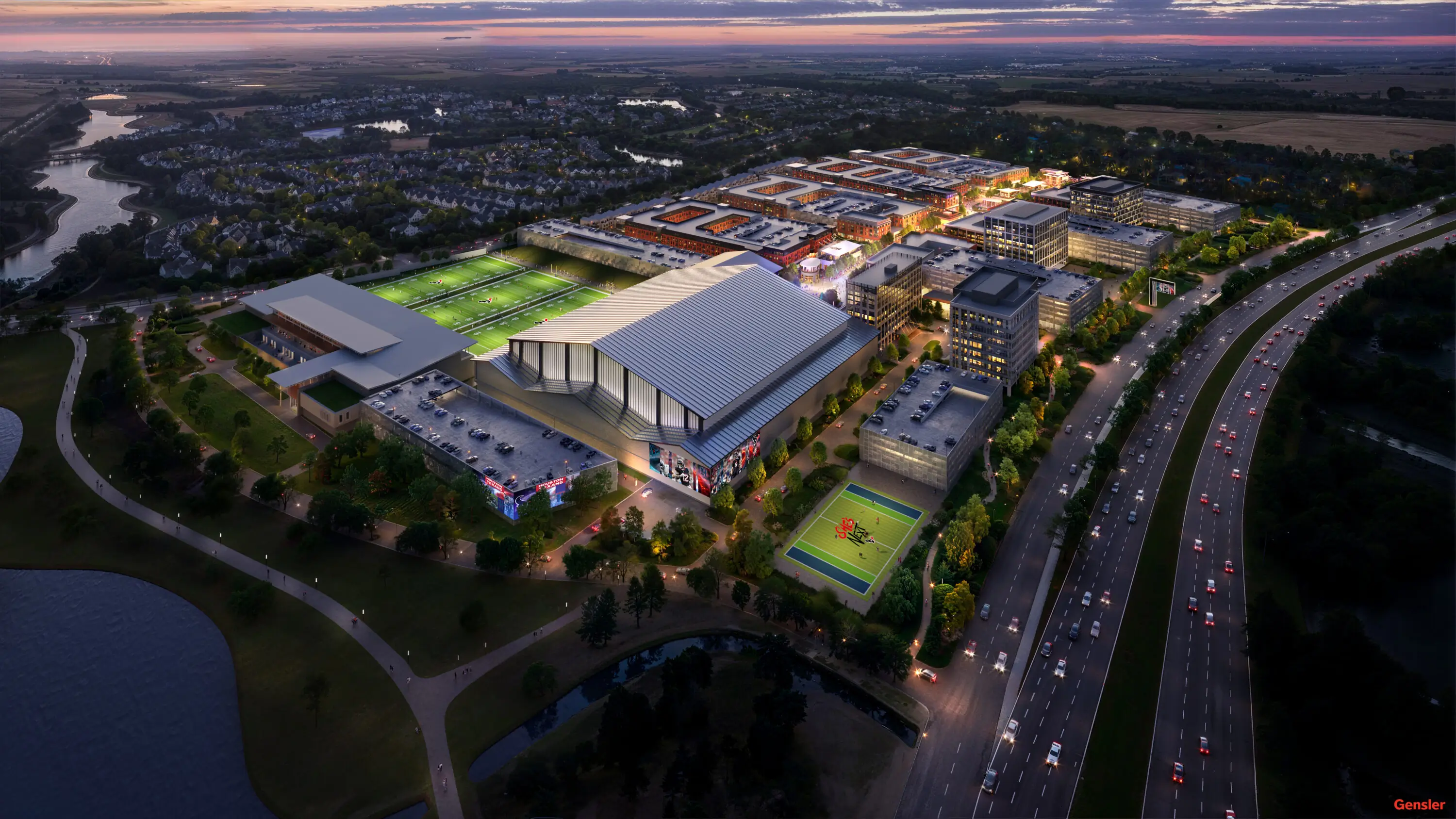
Public money will also be used to fund new roads and bridges in and around the district. The full scope of those infrastructure costs has not yet been disclosed.
When asked directly whether the total public expenditure would exceed the $150 million figure, Ramsey didn’t dispute it.
“Our role is infrastructure — that’s what the county role is anyway,” Ramsey said. “A lot of people don’t necessarily understand there’s more people that live in unincorporated Harris County than in the city of Houston. So the biggest part of our population lives in unincorporated Harris County — that’s the area that’s growing the fastest.”
His argument: the infrastructure needs upgrading regardless, and the growth in the area demands public investment.
But how costs will ultimately be divided between the county, the Texans and Howard Hughes Corporation remains unclear to the public. When pressed on a specific total, Ramsey held back.
“We’re still working through those details, and I’m not gonna start throwing numbers out in terms of what it could be,” he said.
The Star in Frisco: a working model — with caveats
If you want a preview of what the Toro District could become, you don’t have to imagine it. You just have to drive about four hours north.
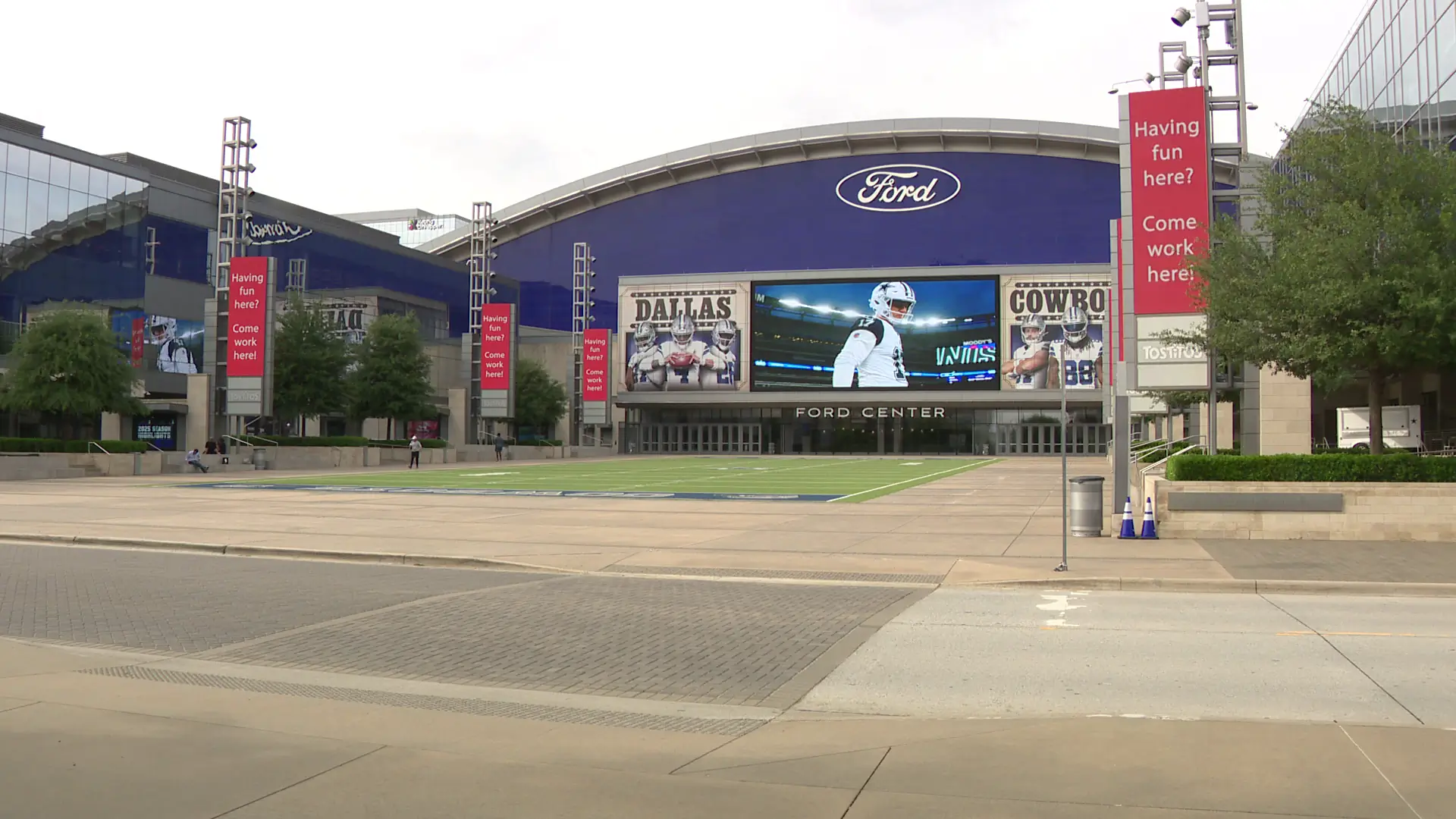
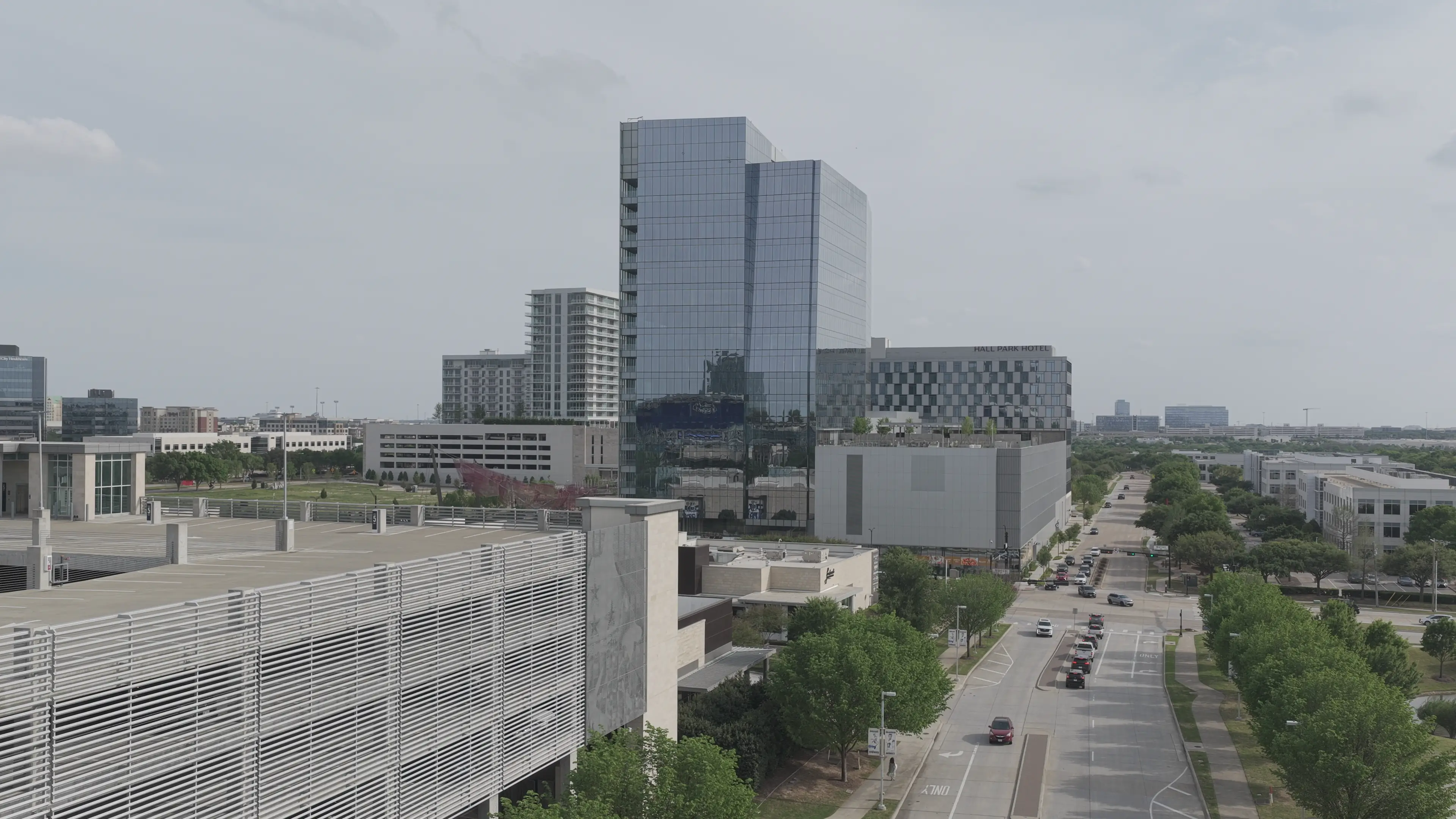
The Star in Frisco, Texas — the Dallas Cowboys’ headquarters and practice facility — has been operating for nearly a decade and offers a real-world look at what Houston is going for.
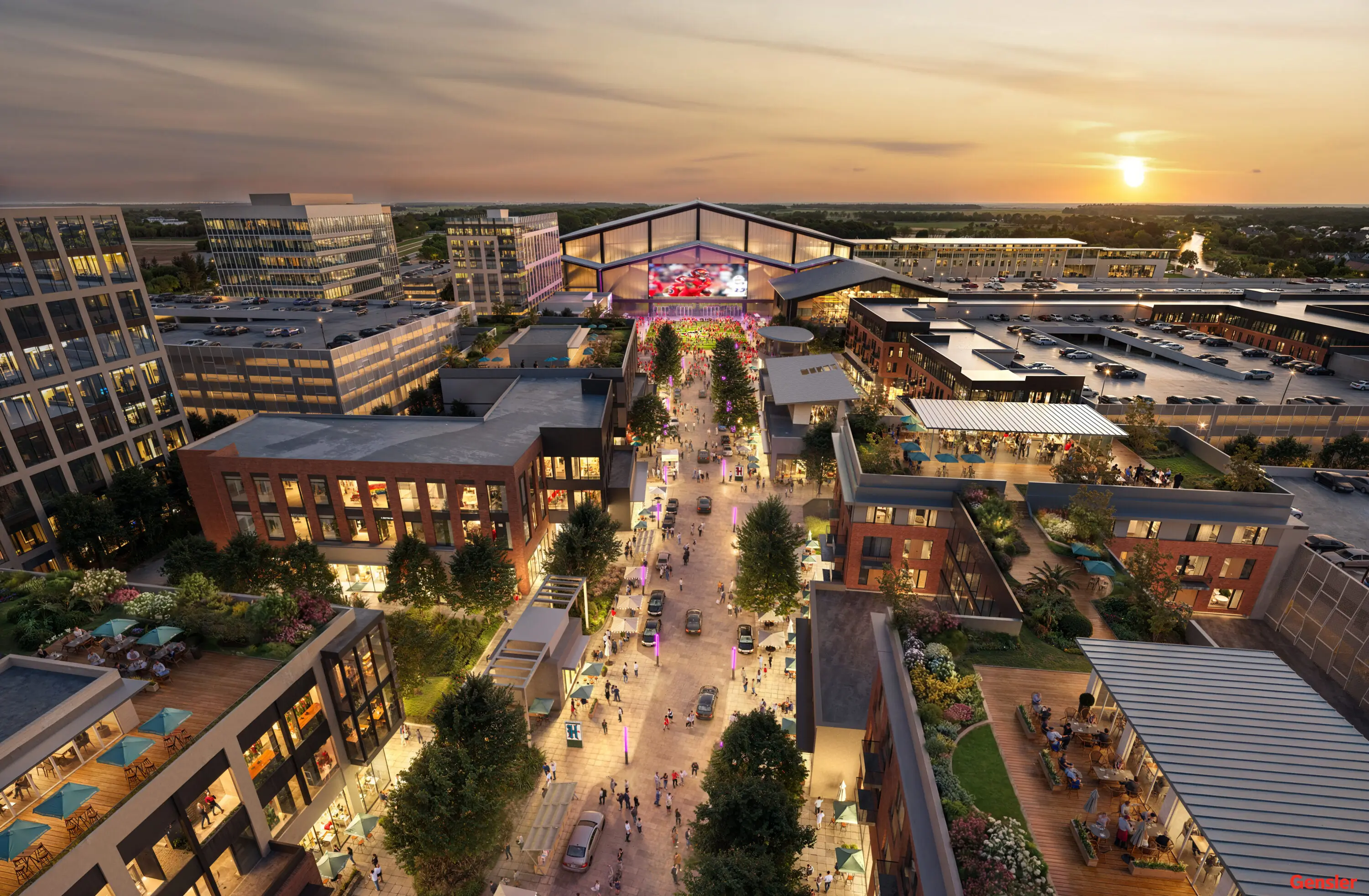
It’s a mixed-use development featuring team facilities alongside restaurants, retail, a hotel and wide-open public spaces, and it drew close to five million visitors in 2025, according to Visit Frisco.
“This is 365-day revenue versus just stadium day revenue or event day revenue,” said Josh Dill, Director of Sports & Events for Visit Frisco.
The Cowboys also headquarter and practice roughly 40 miles from their stadium — the same general model the Texans are pursuing. The facilities at The Star are, to put it plainly, are impressive.
A film room. Italian leather chairs — 154 of them. Immaculate practice fields. And a public park, that includes a turf football field, accessible to anyone.
Frisco has leaned into the identity so fully it now markets itself as “Sports City USA.”
“I do know that people are attracted to living here, working here because these developments exist,” Dill said.
Still, a Wednesday afternoon visit during the offseason told a different story — the area, while upscale and well-manicured, was quiet. A local resident said he’d visited The Star about five times since it opened, mostly for youth football events.
“Been to a high school football game, little league football game. The kids really enjoy it,” said Jeff Coleman, a Dallas-area resident.
The Cowboys comparison — and where it breaks down
The Star is also considered a public-private partnership. In Frisco’s case, the city contributed the land. In Harris County’s case, Howard Hughes Corporation owns the raw land — a key structural difference.
There’s also the matter of fan draw. The Cowboys are one of the most recognizable sports franchises on the planet. The Texans, with zero Super Bowl appearances, don’t carry nearly the same international brand weight.
That gap in star power is hard to ignore, even if its ultimate impact on the Toro District’s success is unclear.
Dill acknowledged the tension between public investment and private gain is something Frisco has had to navigate carefully.
“Yeah, I mean that’s always a concern. We definitely don’t want to be perceived as just lining someone else’s pockets. That’s why the partnership is so key. You know, the Jones family was committed to not just doing what was best for them, but what was best for the kids in the area,” Dill said.
Youth sports, promises — and nervous neighbors
The Texans and Harris County have made significant commitments to youth sports as part of the Toro District pitch. The project promises dedicated fields for school district football games and a broader focus on youth athletic programming — a feature that mirrors what The Star offers in Frisco.
But not everyone in the surrounding community is celebrating.
Residents who moved to this part of Harris County for its relative quiet and open space are now facing a very different future: years of construction, increased traffic and major questions about whether existing roads can handle the load.
One neighbor expressed her concerns directly.
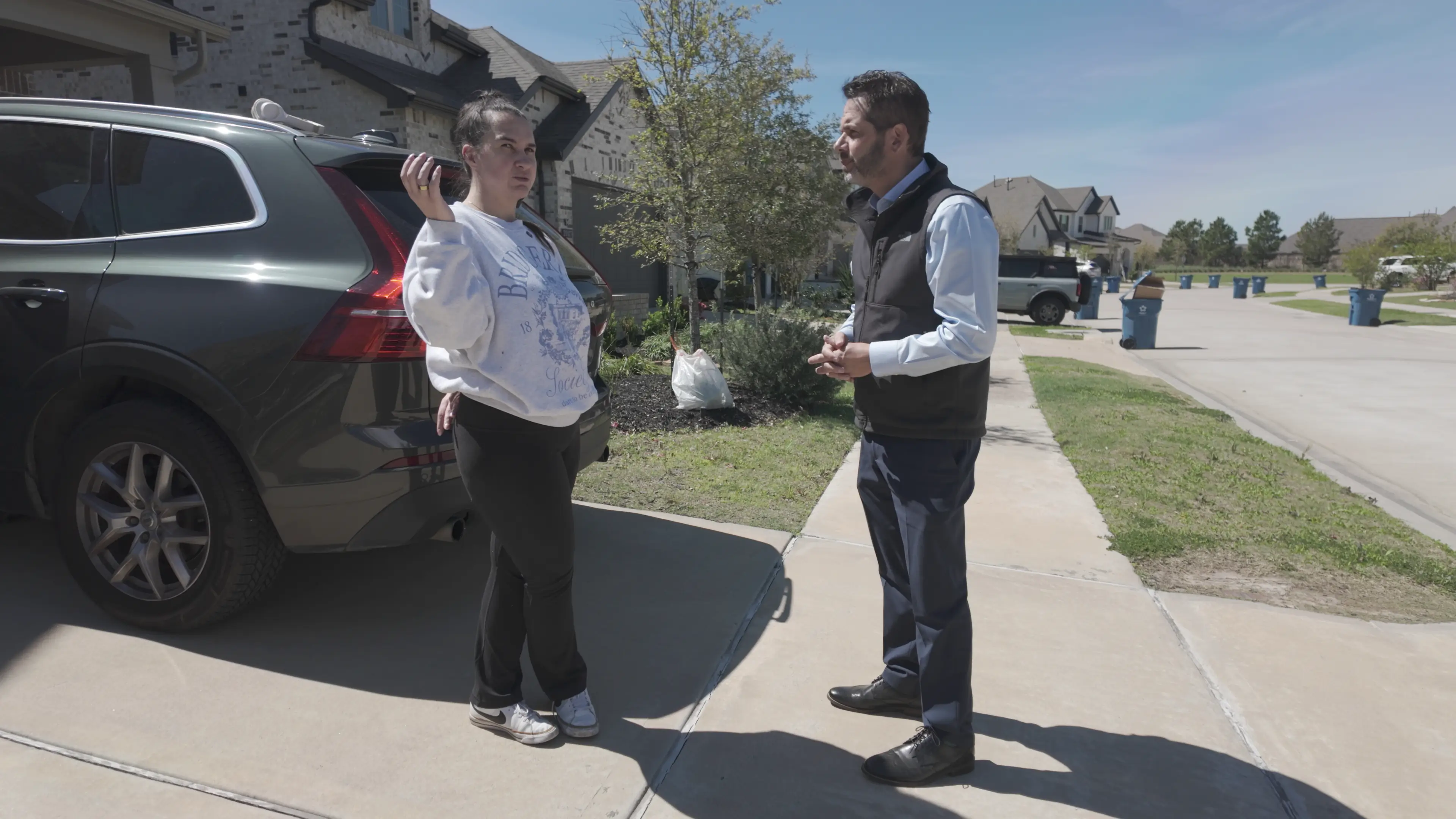
“I’m mainly concerned for this section in particular because there’s no way to exit other than getting on Peak Road. So that’s my main concern,” said Alaina Hamza, a nearby resident.
Hamza said she and her neighbors weren’t given advance notice about the Texans’ involvement specifically.
“Early on? Yeah, that’s always been the plan — that that would be shopping and businesses. But never the Texans facility,” she said. “Oh, a little bit more [than I bargained for].”
Home values in the area will likely rise because of the Toro District — but that’s a double-edged sword. Higher property values mean higher property tax bills, a reality that could pressure long-term residents on fixed incomes.
Key details still in limbo
So where does this all stand? In a word: limbo.
The big-picture vision is set. The details — especially the financial specs — are still being hammered out behind closed doors.
One key mechanism under consideration is the creation of a Tax Increment Reinvestment Zone, or TIRZ.
TIRZs are designed to fund development by earmarking tax revenue generated within a designated area specifically for that project, rather than directing those dollars to the general fund where most tax revenue goes.
Critics argue that structure benefits private developers at the expense of broader public services. Supporters say it’s a proven tool for spurring growth in underdeveloped areas.
The total public cost of the Toro District remains one of the biggest unanswered questions — and until a final agreement is signed, Harris County taxpayers may not know exactly what they’re on the hook for.

