
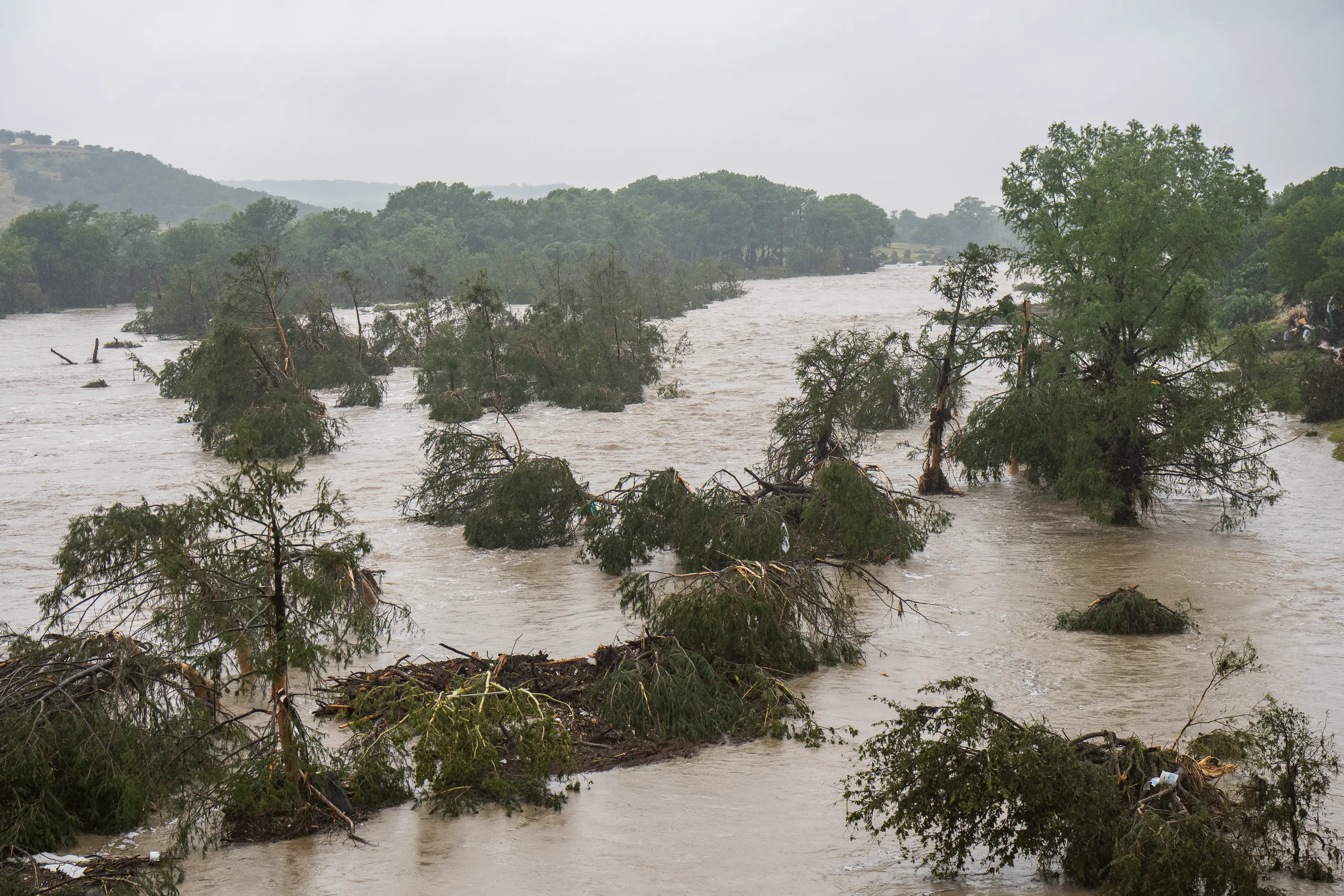
As we approach the one-year remembrance of the Kerrville flood, I find myself thinking back to everything that unfolded in just a matter of hours.
The way the storm came together. The torrential rain. The terrain that turned dangerous so quickly. And ultimately, the tragedy that followed.
Watching the Dateline episode that aired Friday night June 26th, on KPRC 2 was heartbreaking. Along with the sadness came frustration, knowing that questions about preparation became part of this story. It’s difficult to watch and not wonder how different outcomes might have been if more had been in place before the water started rising.
I traveled to Kerrville just days after the flood.

What I saw is something I still carry with me.
Trees snapped like toothpicks. Homes torn from their foundations. Families searching through what remained of their lives. Entire futures altered in ways that can never fully be repaired.
Anniversaries like this are difficult because they remind us that while headlines fade, loss does not.
And they remind us that behind every weather statistic are people, families, and communities forever changed.
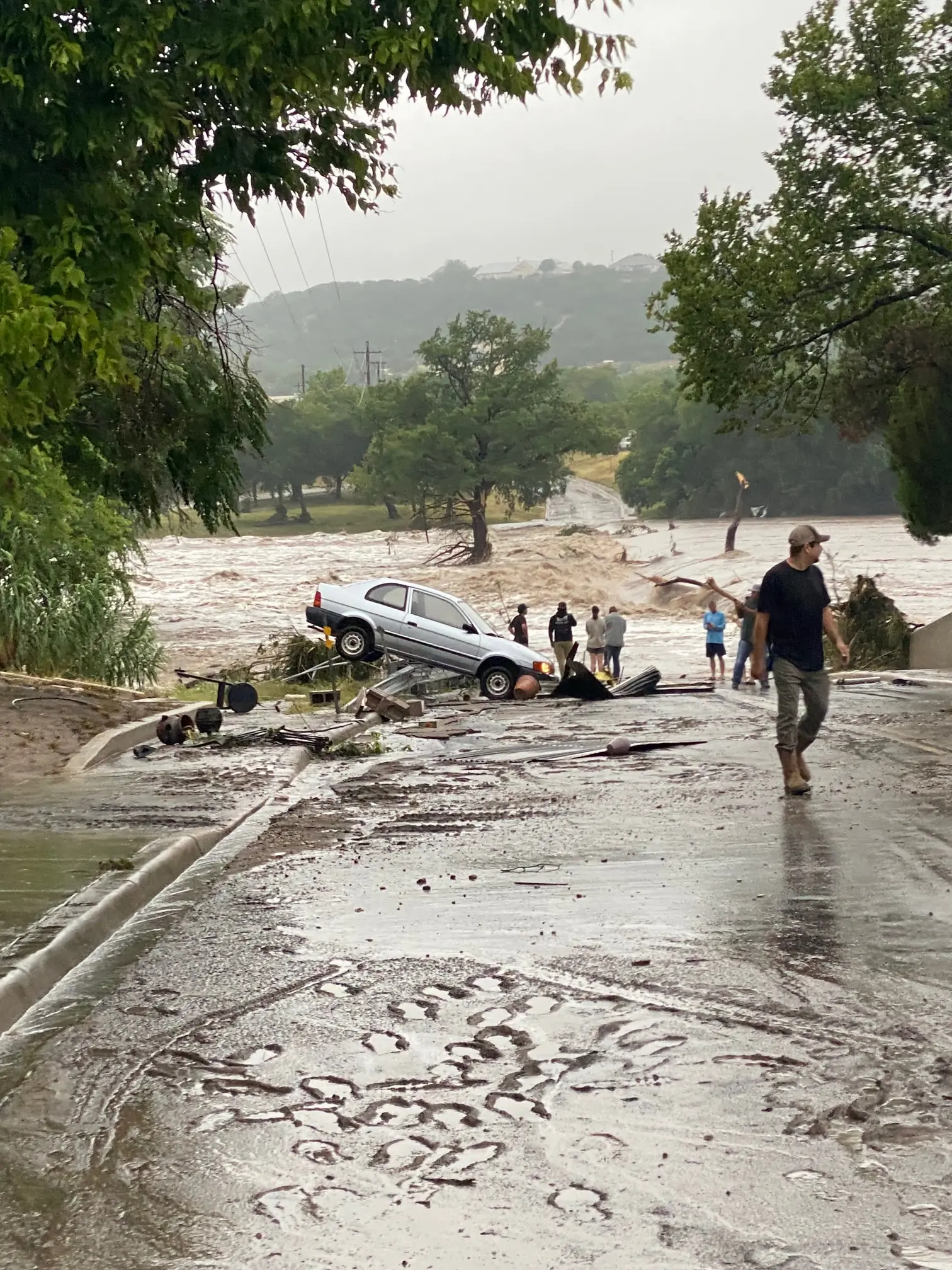
Flash flood alley:
This happened in a place known as Flash Flood Alley, one of the most flood-prone regions in the country.
Tropical moisture connected to the remnants of Tropical Storm Barry stalled over the region and unleashed nearly 10 inches of rain in just a few short hours.
Weather alone wasn’t the whole story:
In the days and weeks that followed, investigators began piecing together what happened and asking difficult questions about preparedness, communication, and emergency planning.
In the end, 139 lives were lost.
Among them were 28 children at Camp Mystic.
Every loss leaves behind a story, a family, and a future that will never look the same.
And as heartbreaking as that reality is, one lesson continues to echo through every major weather disaster:
Preparation matters:
Investigators found Camp Mystic did not have a written evacuation plan, and testimony indicated staff had not been adequately trained or equipped for a flood emergency. Counselors acted courageously under impossible conditions, but courage alone cannot replace preparation.
That’s not meant to assign blame. It’s a reminder for all of us. If severe weather arrived tonight, would your family know exactly what to do?
Would your workplace?
Would your child’s school, camp, daycare, or sports program?
Because terms like “100-year flood” and “500-year flood” can create a false sense of distance.
Those numbers are not calendars. They are probabilities.
A 100-year flood means there is a 1% chance of that level of flooding happening in any given year.
A 500-year flood means a 0.2% annual chance.
And those odds reset every single year.
That’s why communities can experience multiple “100-year floods” within a relatively short period of time.
Over a 30-year period, the chance of experiencing at least one 100-year flood climbs to 26%. For a 500-year flood like the one in Kerrville, the odds rise to 6%.
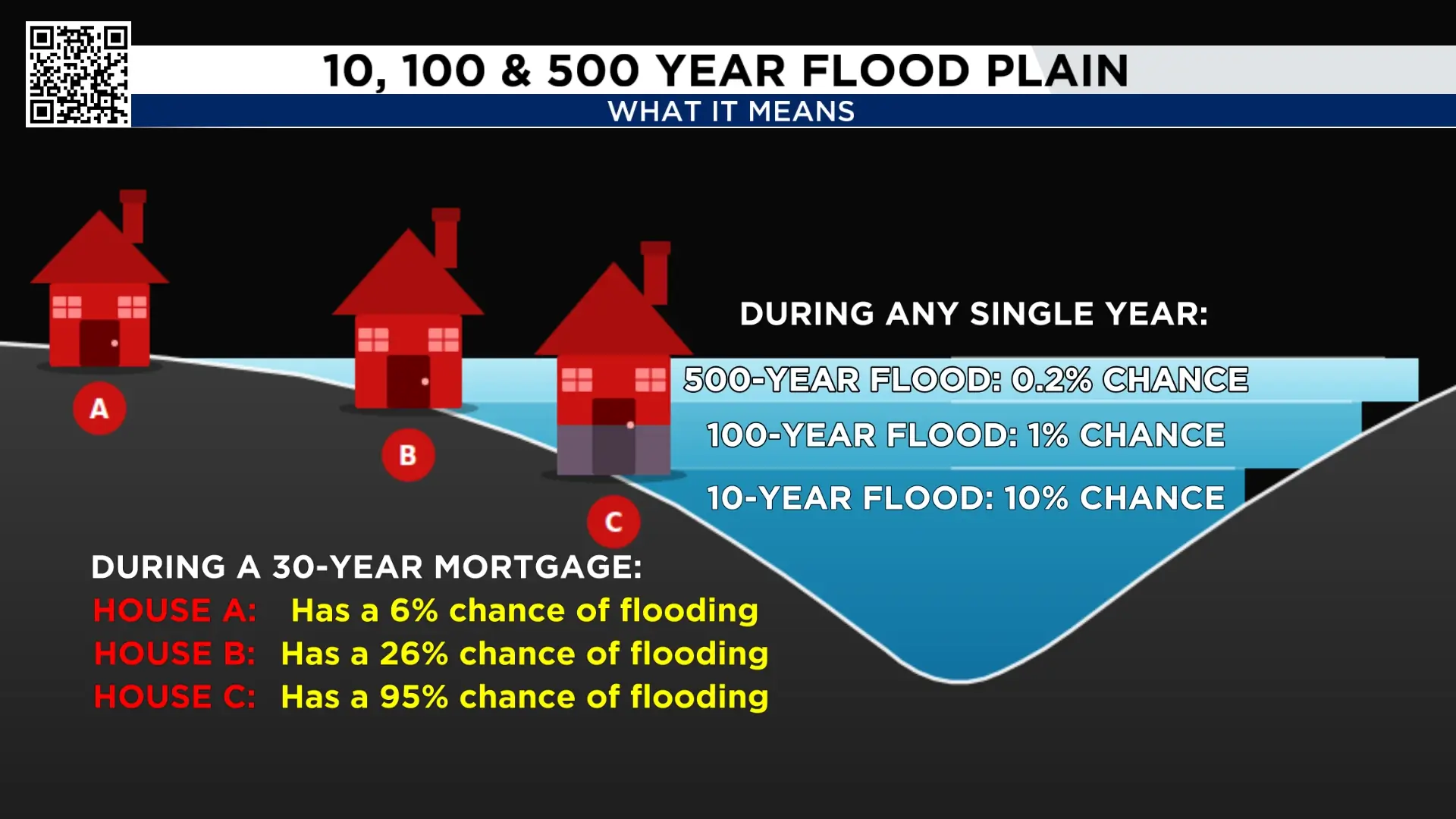
Rare does not mean impossible. Understanding flood risk is about more than knowing the numbers.
It’s about deciding today what you’ll do tomorrow.
Do you have a severe weather plan at work? Does your family know where to go during a tornado warning? If flooding begins while your children are at school, does everyone know who picks up who and when?
Write the plan down.
Talk through it.
Practice it.
Because a plan only works if everyone understands it before the emergency begins.
And one final reminder that applies to every major weather event:
Turn emergency alerts on. Make sure they can wake you up. Don’t dismiss them.
And consider having a backup source of warnings, like a NOAA weather radio.
The goal is never to live in fear.
It’s to give ourselves the best chance to protect the people we love when the odds become real.
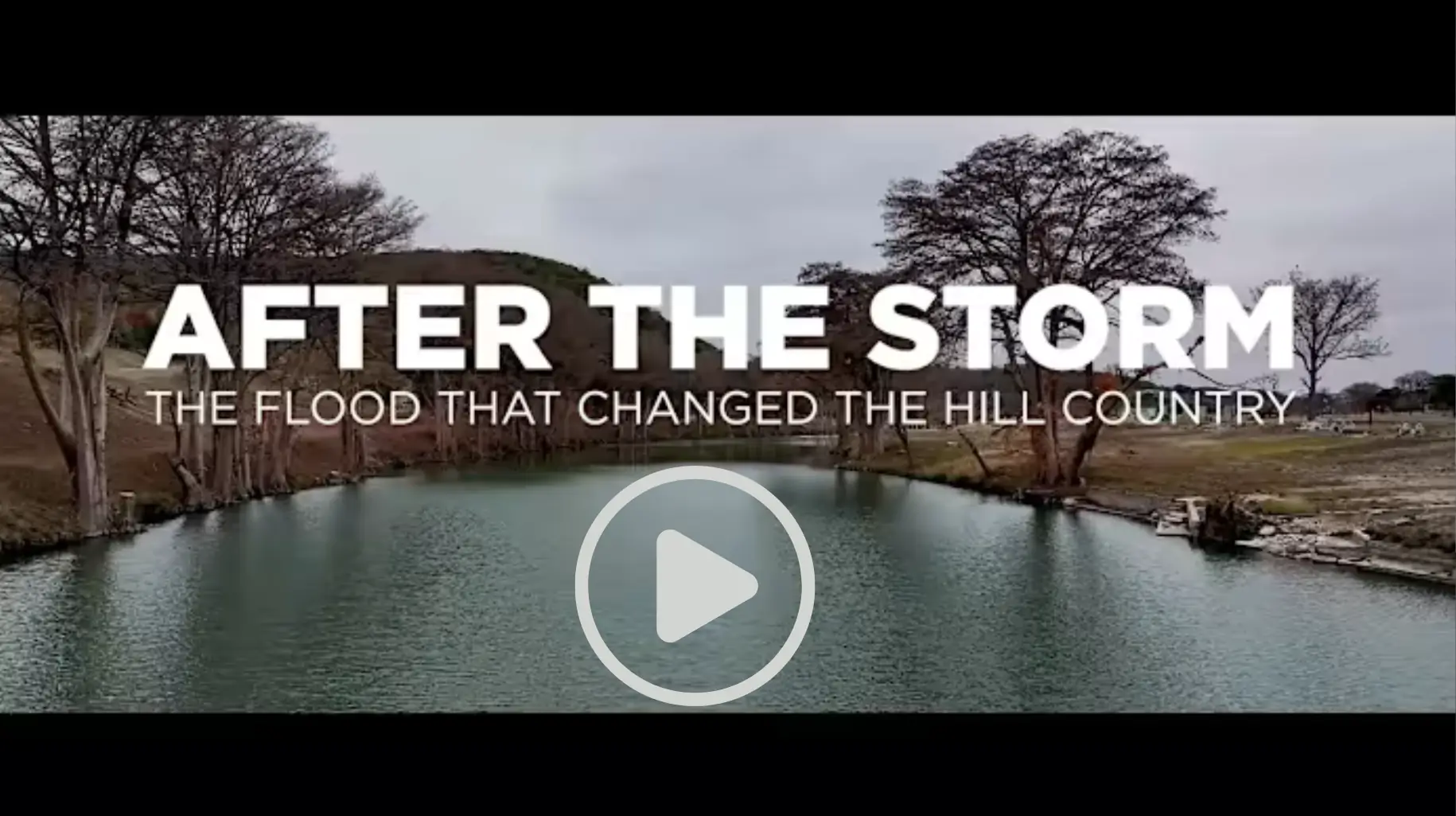
Press play above to watch our 25-minute documentary on the flood that changed the Hill Country. Justin and I reflect on the weather that day, how the tragedy unfolded, and what has changed over the year since.

More Stories Like This In Our Email Newsletter
