
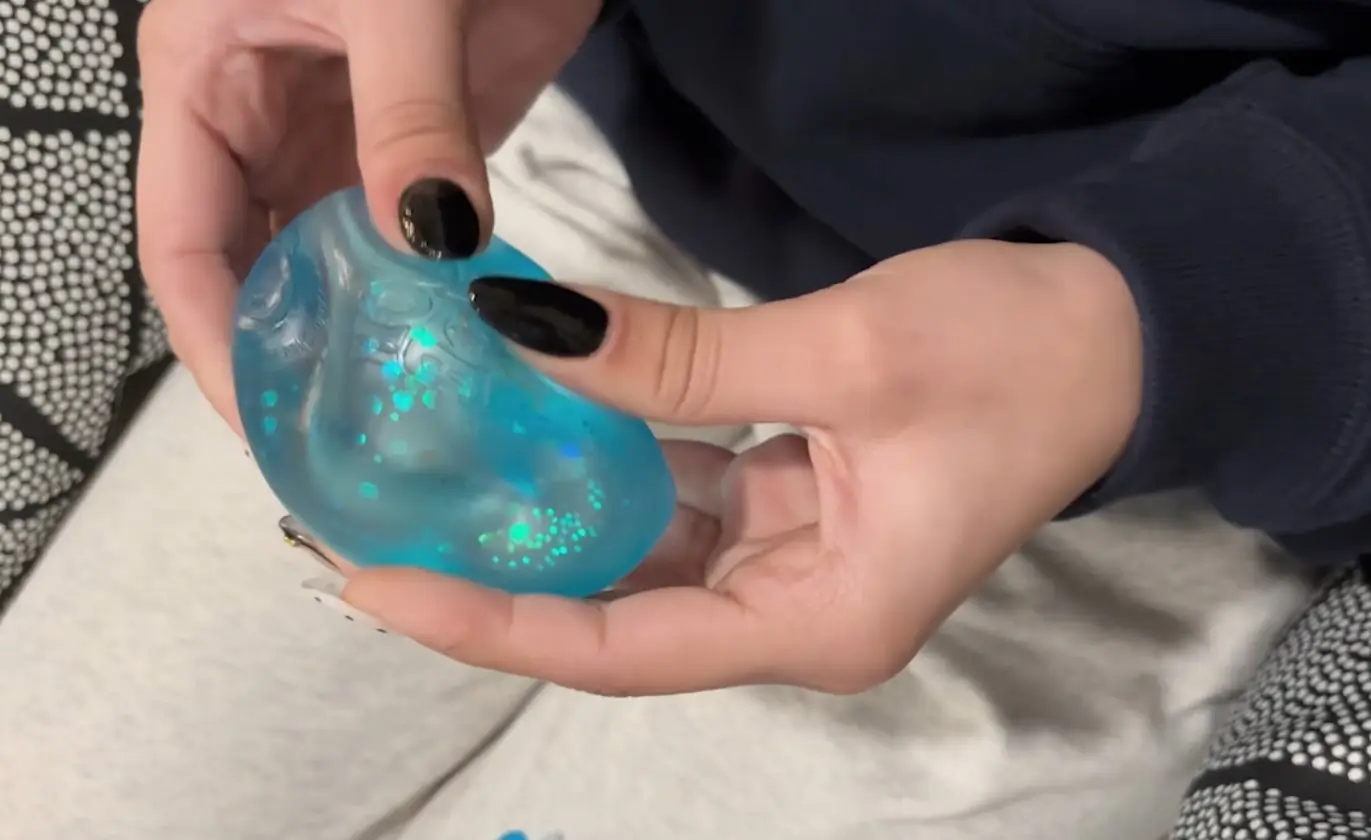
Parents are being warned about potentially dangerous fake and counterfeit squishy toys that could pose serious risks to children.
The U.S. Consumer Product Safety Commission issued the warning Aug. 5, also reiterating its concerns about a viral social media trend encouraging children and teens to microwave or heat squishy toys.
Recommended Videos
Squishy toys, including animal-, food- and character-shaped squeeze toys, are widely sold online, through social media, discount stores and other retailers.
According to the CPSC, counterfeit versions may not meet federal safety requirements for children’s products. Some may contain water beads, small parts, lead, phthalates or other potentially hazardous substances.
Why are squishy toys dangerous?
Some squishy toys contain water beads, gels, liquids, powders or sand. If the toy’s outer covering tears or bursts, children could be exposed to the filling.
Water beads can expand after being swallowed and potentially cause intestinal blockages, choking or aspiration. They can also cause injuries if inserted into a child’s nose or ear.
The CPSC also warned that some fake toys may:
- Break or tear easily, releasing small parts or hazardous materials
- Contain excessive levels of lead, prohibited phthalates or other chemicals
- Fail to meet federal requirements for water beads
- Lack required safety warnings, age information or manufacturer details
- Be sold without required testing and certification
The agency said it has identified 55 shipments of violative squishy toys at U.S. ports and worked with U.S. Customs and Border Protection to prevent 355,683 units from entering the country.
Don’t microwave or heat squishy toys
The CPSC is also warning consumers about videos circulating online that show squishy toys expanding, changing texture or bursting when heated.
The agency said these demonstrations are dangerous and should not be copied.
Squishy toys can become dangerously hot when left in direct sunlight, inside a hot vehicle, near a heater or on another hot surface. If heated, the toys can burst and release material that can cause severe burns. The filling can stick to skin and continue transferring heat, potentially making an injury worse.
The CPSC says never microwave or intentionally heat a squishy toy.
How to spot a potentially dangerous toy
The CPSC recommends that parents and caregivers:
- Buy toys from reputable retailers and verified sellers.
- Be cautious of unusually low prices, which could indicate a counterfeit or substandard product.
- Check packaging for misspellings, poor-quality printing and missing manufacturer information or safety warnings.
- Stop using toys that are torn, punctured, leaking, sticky, unusually soft, discolored or deteriorating.
- Keep damaged toys away from children.
- Follow age restrictions and safety warnings.
- Keep squishy toys away from heat, including hot cars and prolonged direct sunlight.
Parents should also avoid toys with an unknown manufacturer, missing safety information, strong chemical odors, an oily or unusually sticky texture or toys that can be easily torn apart.
What to do if a burn occurs
The CPSC recommends immediately placing burned skin under cool running water for at least 20 minutes.
Gently wash the area with mild soap to remove any remaining material. Do not use ice.
After cooling and cleaning the injury, cover the burn with a nonstick sterile dressing. Seek medical attention for a severe burn, a burn involving a young child or signs of infection.

More Stories Like This In Our Email Newsletter
