

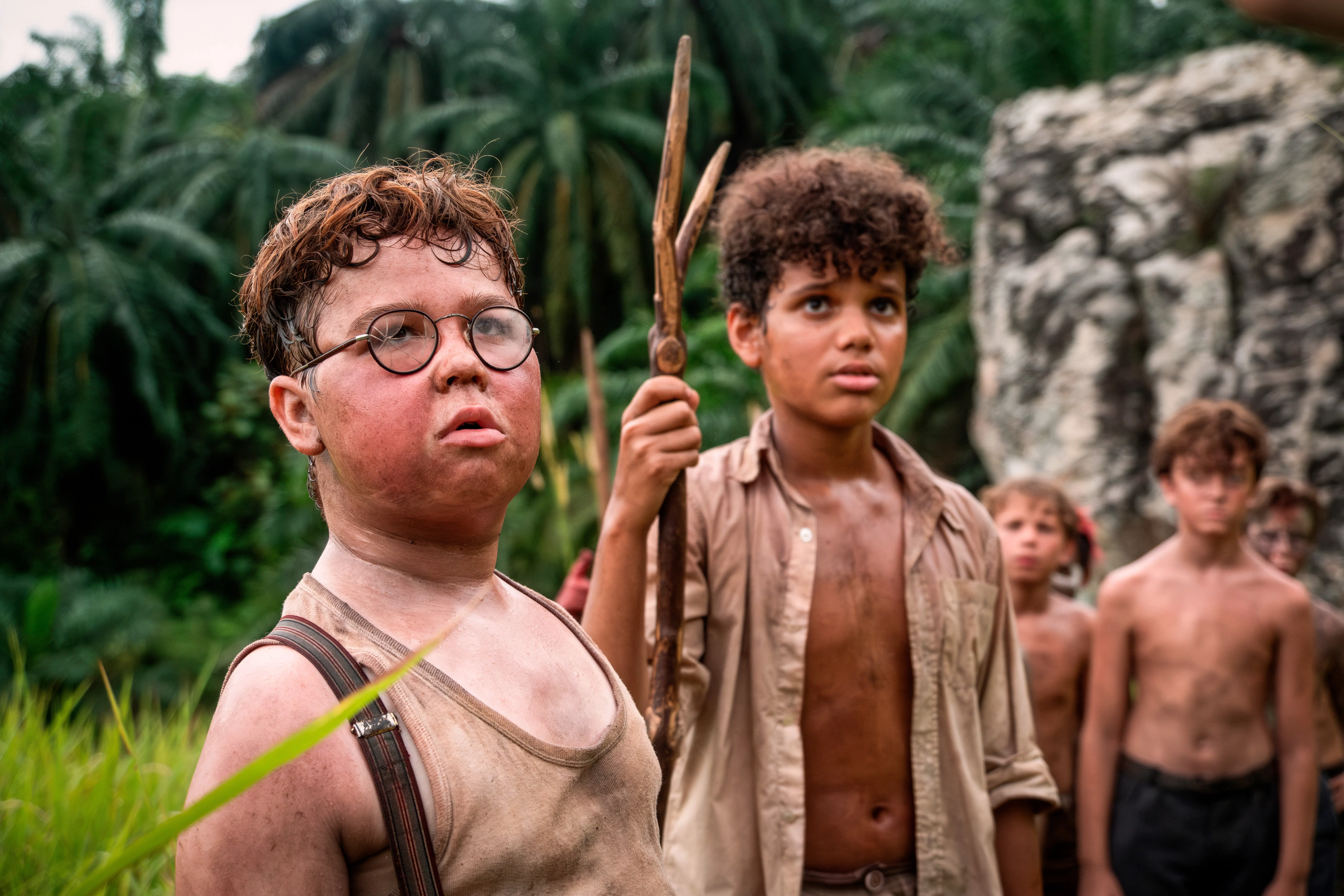
NEW YORK – Put 40 boys alone on an island and what do you get? Harmony or chaos?
British author William Golding predicted not good things in his harrowing 1954 classic novel “Lord of the Flies,” and a new powerful, kinetic TV adaptation makes an inspired case that he was probably right.
Recommended Videos
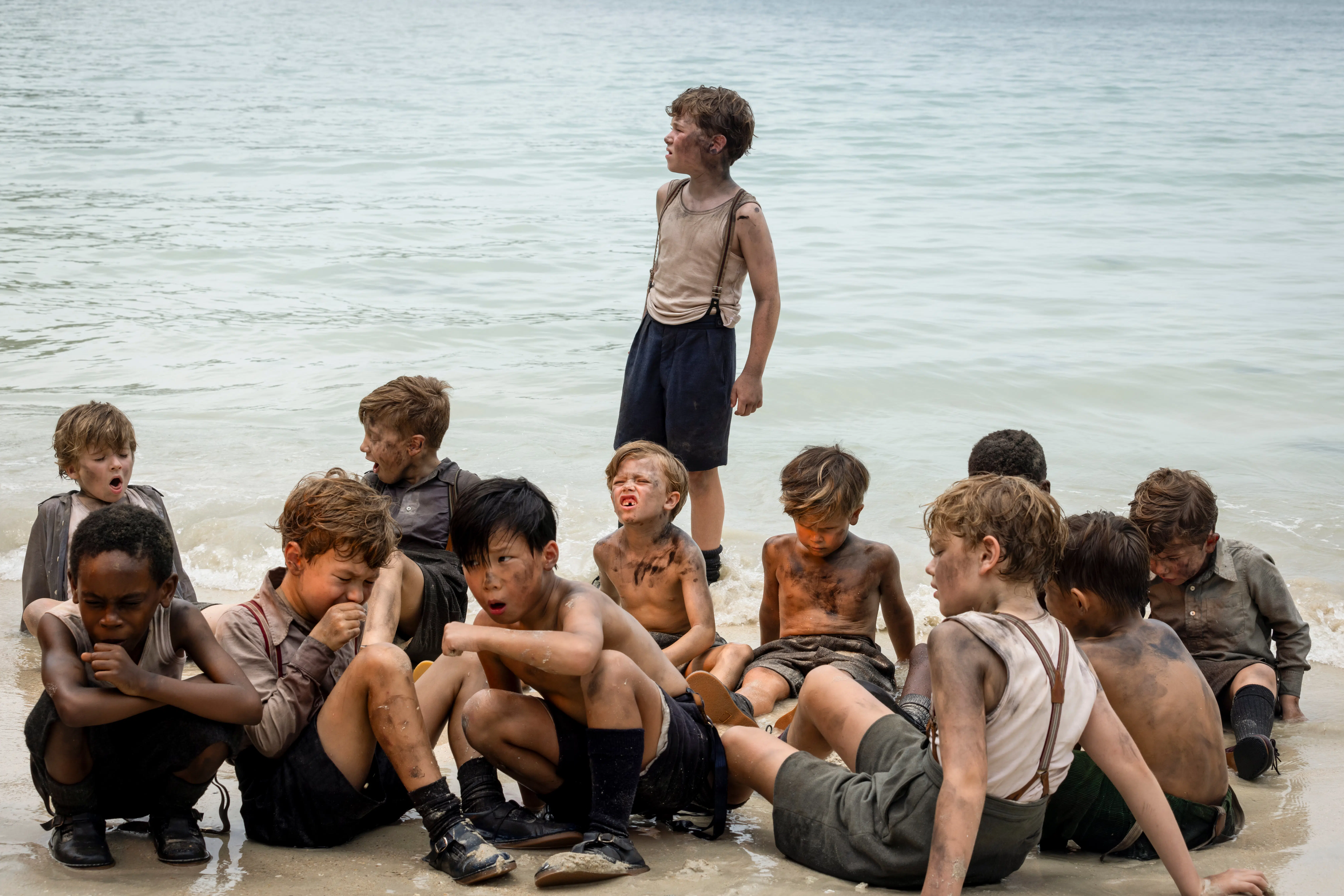
The Netflix series premiering Monday follows more than two dozen British boys in the mid-1950s stranded on a tropical island after a plane crash as they descend into tyranny and violence, making an indictment about the fragility of democracy and the shallow veneer of civilization.
“We’ve advanced socially or we’ve advanced technologically, but those issues are still there,” says David McKenna, who plays a sensible boy nicknamed Piggy. “I would say put 40 boys on a tropical island today, and the same thing would probably happen, sadly.”
‘It can’t help but be chaos’
The series is adapted by Jack Thorne, the writer behind the stage play “Harry Potter and the Cursed Child” and the Emmy-winning TV series “Adolescence,” and directed by his longtime collaborator, Marc Munden.
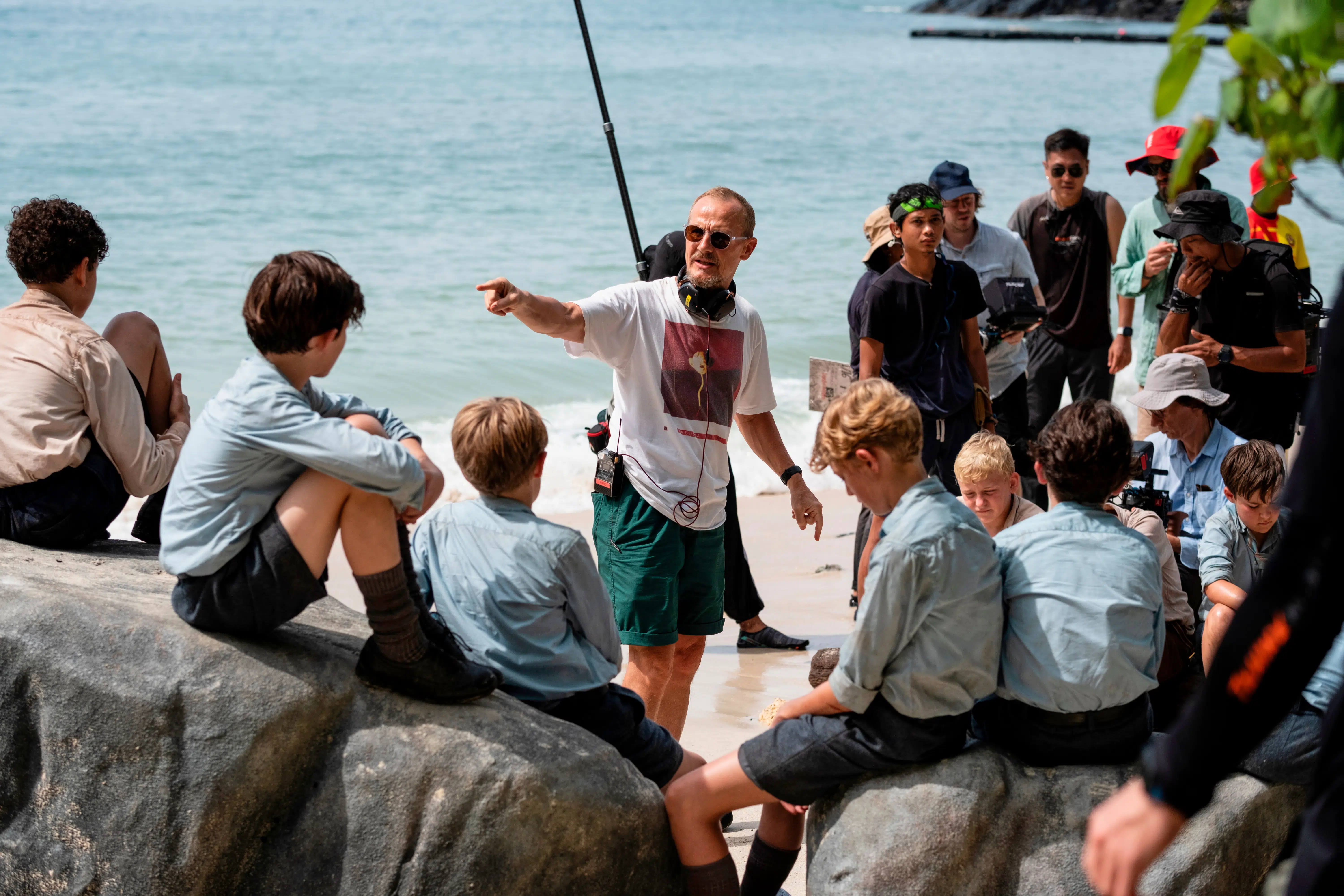
“A lot of the time it was utter chaos and we tried to film some of that chaos as well,” says Munden. “It can’t help but be chaos when you’ve got 36 boys under the age of 12.”
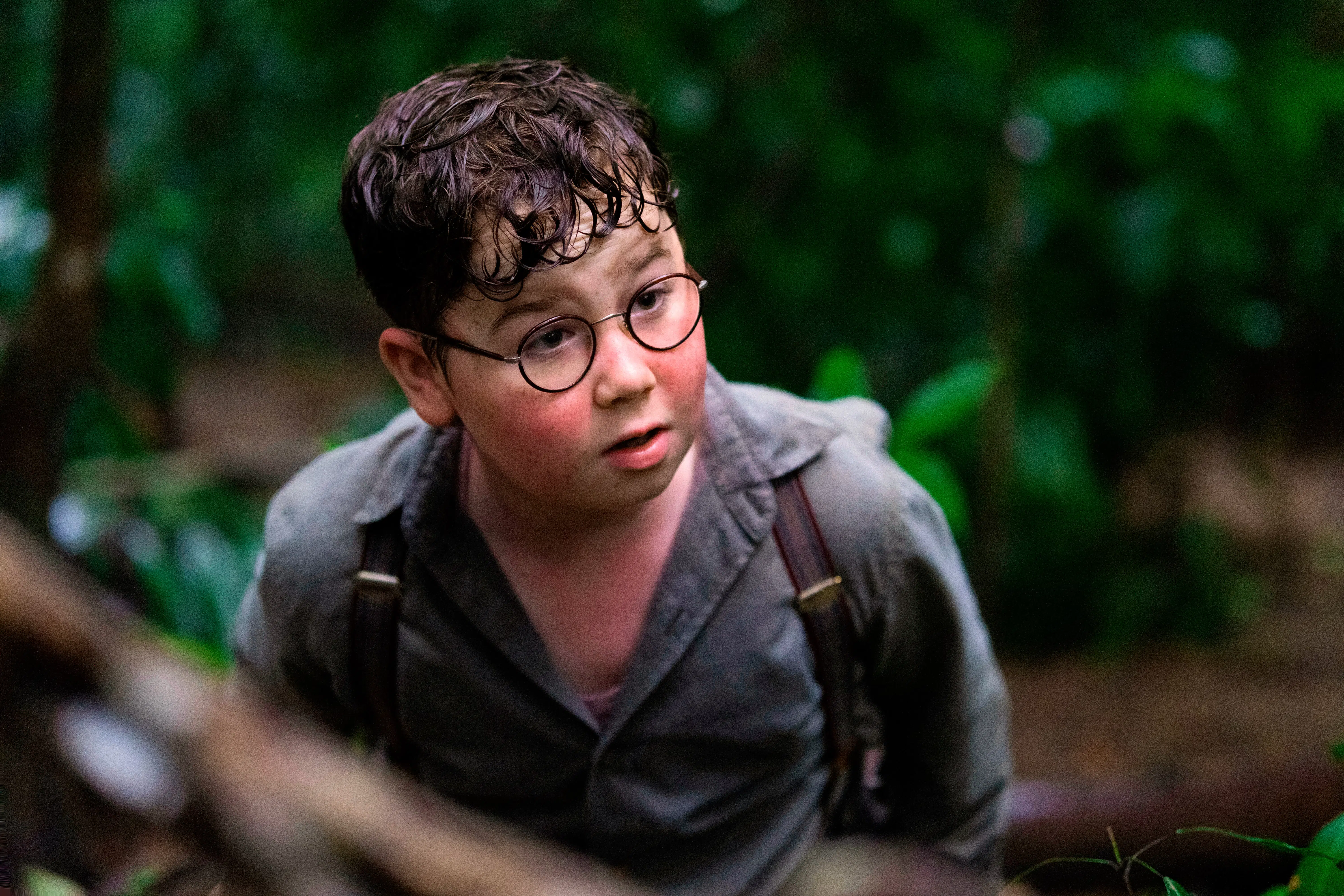
Thorne’s four-part adaptation brings a different character to the forefront in each episode, starting with the rational Piggy, coming to consciousness after the crash and offering a voting-based system that allows everyone a voice. “What we need to do is get a sense of exactly what we know,” he says.
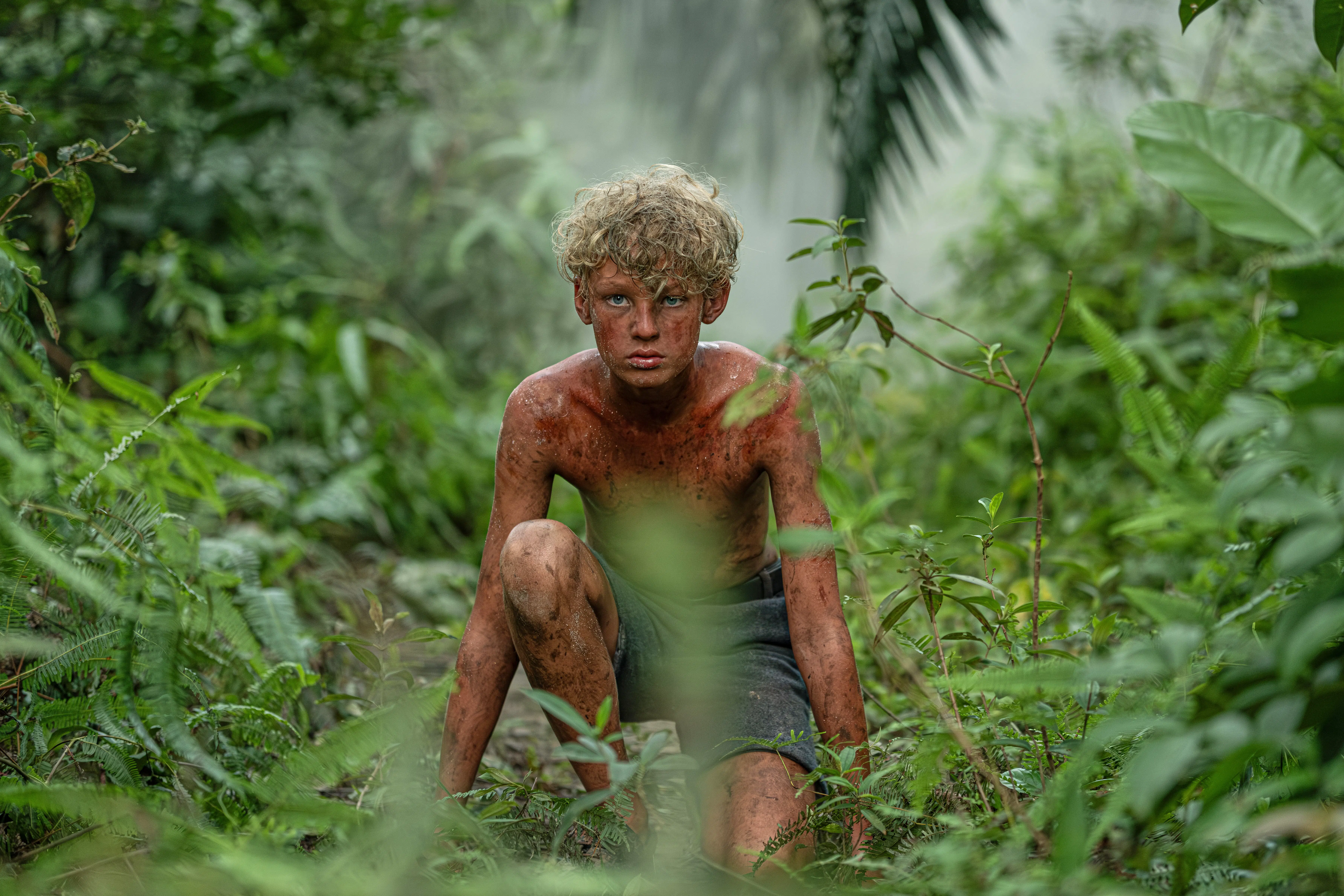
He meets the cheerful and friendly Ralph (played by Winston Sawyers), and they gather the rest of the castaways, including a group of choirboys led by the volatile Jack (Lox Pratt) and the soulful Simon (Ike Talbut). There's also a whole raft of very young boys, dubbed “littluns.”
“I think all of the boys really represent an aspect of the human condition. Jack obviously represents some of the darker aspects,” says Talbut. “Ralph is the charismatic leader, but I think Simon really represents civility and kindness.”
Envy and paranoia bloom
What begins as a plucky, we’re-all-in-this-together spirit — Piggy sings Groucho Marx’s giddy “Hello, I Must Be Going” as he pushes through thick vegetation, still wearing his schoolboy suspenders and tie — soon gets darker as envy and paranoia bloom, rivalries deepen and one of the boys reveals his murderous instincts.
“Playing it nice — it’s boring,” says Jack who comes off here less as a simple narcissist than as an entitled boy with a fragile ego. “An adventure island, what do we do on it? Nothing but boring things. Toilets. Water. Hut building. Boring.”
Munden calls it in many ways a political fable that mirrors current struggles: “One faction led by the dutiful Democrats versus the entitled bully leading another faction.” Talbut sees it as a message about the dangers of groupthink and populism.
Thorne has made a few changes to the text, including flashbacks to the boys’ pre-island past to give viewers an insight into their home lives, and a scene in which the survivors come across suitcases from the crash.
Unpacking the suitcases — one is Simon’s, which contains his diary — and the other contains women's clothes — allows the filmmakers to explore the complex relationship between Jack and Simon as well as chart the increasing unanchored nature of the boys.
One lad slips on a hoop skirt, another pulls a pair of pantyhose over his face, both playing with drag. As the members of the choir smear mud on their faces to be hunters, the look is tribal and quirky. Munden was inspired by the images of Liberian child soldiers in the early 2000s who held Kalashnikovs and edgy costumes to confuse their enemies.
“The idea was that this drag becomes sort of perverted in some sort of way and becomes like another form of armor,” says the director. “I just thought it was a little bit more freaky. I wanted to sort of challenge the audience a little bit more with that.”
Filming in Malaysia
Munden studs the episodes with stark images of animals — winged raptors, ants, caterpillars, hermit crabs — grounding the series in the muddy, lush, insect-heavy tropical world, which in this case was the Malay Archipelago, the largest group of islands in the world.
Filming — which took place over five months from July to December in 2024 — wasn’t easy, with daily speedboat trips to uninhabited islands, dodging monsoons and extreme heat. The older boys were permitted to work only five or six hours a day, while the littlest boys only three. The crew weren’t allowed to shoot at night, so used cinematic trickery to turn sunshine into moonlight.
For the characters on the island, it was harrowing. For the actors, however, it was a bonding experience and, for many, their first professional acting gig.
“The best five months of my life,” Talbut says, adding everyone was “just the loveliest person ever.”
There was a safety net for the cast — including child psychologists, tutors and chaperones — that freed the actors to go deeper.
“You can delve as far as you like into the drama and the horror of it because you know at the end of the day you’re all just going to get in a van, get back to the hotel and jump in the pool.”
The ending actually has a sweetness — not the adaptation, but the filming: It turns out many of the older boys have stayed friends and share a group chat. Sawyers just met up with Pratt, enemies on the island now remade as pals in real life.
“We’re all still really, really close and we still have that connection because we spent those months together in that place doing that thing,” says Sawyers.